Preserving biodiversity at business sites
Eastern Research Center area
Promoting Harmonious Coexisting in Nature at Our
Business Sites by Initiating Studies on Living Creatures
Focusing on eradicating invasive species, introducing native species, and disseminating information
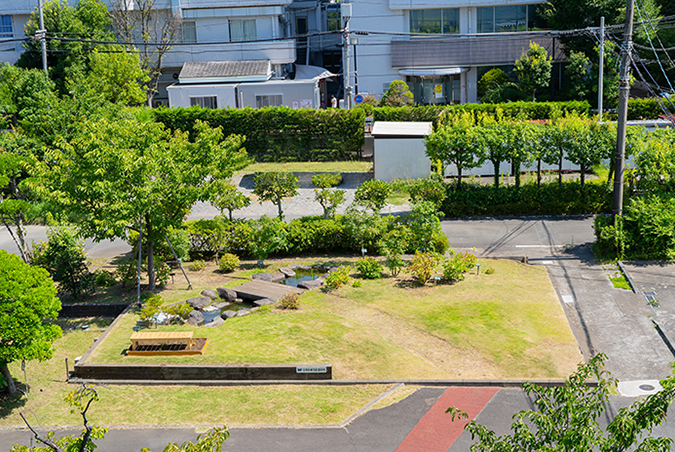
Green space with water area created near the main entrance
The Eastern Research Center area, based in Kamakura City, Kanagawa Prefecture, is surrounded by ocean and mountains. We conducted a wildlife survey of the area in 2014 and since then we have implemented follow-up surveys on an annual basis, primarily to understand the situation regarding invasive plants.
Based on the results of these surveys, we have been working in the area to establish green spaces in symbiosis with Kamakura City’s rich natural environment. In 2017, we created a green space, including a water area, on the grounds near the facility’s main entrance, planted native plants, and began raising native killifish. This green space serves as a place for employees to relax and learn. We also continue to work on eradicating and controlling invasive species.
Furthermore, we promote community engagement by opening the site to the public every spring, allowing local residents to enjoy the long row of cherry blossom trees that stretches from north to south across the site.
-
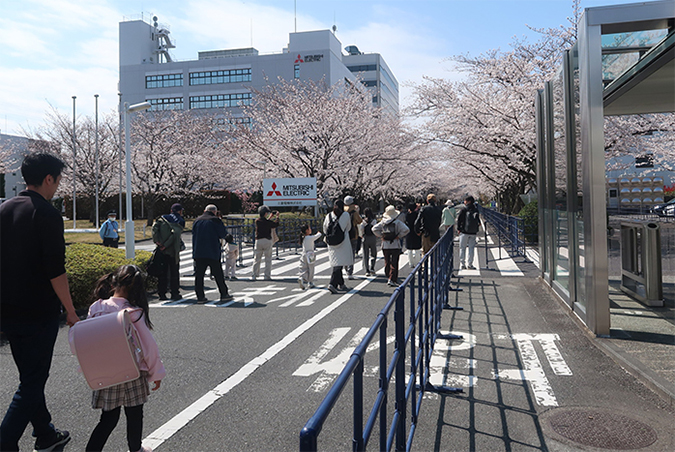
Row of cherry blossom trees in the Eastern Research Center area
-
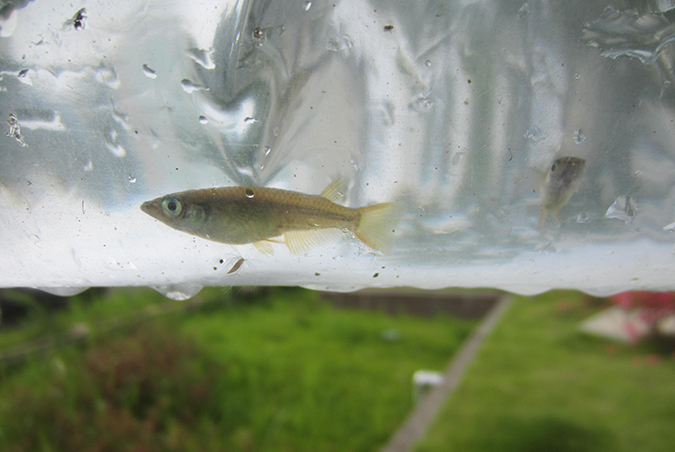
Kamakura killifish, a native species
Creating a biodiversity-positive green space
The green space near the facility’s main entrance created in April 2017 features a water area to attract dragonflies and other insects, with trees, primarily ones native to the area, planted around it. We have planted a variety of tree species so that employees can enjoy flowers each season. Benches are situated in areas with views of the greenery, making it a place of relaxation for employees. In June 2023, we planted Japanese gentians, and in March 2025, Mikurumagaeshi (a species of Japanese cherry blossom tree), both plant species associated with Kamakura City. We also regularly monitor the wildlife, and have confirmed that a variety of wildfowl and insects, such as white wagtails and spirea sawflies, are thriving and breeding.
In recognition of these efforts, the entire area, including this green space, was certified as a Nationally Certified Sustainably Managed Natural Site by the Ministry of the Environment of Japan. To protect this important environment, we have chosen the sunny field within this green space as the location for planting vegetation. However, given the recent prolonged heatwaves, we installed benches to protect the plants from direct sunlight. Additionally, several Japanese gentians have been transplanted to a shady spot within the green space and to a sunny spot in another green space. Growing these in different environments is a precaution against the risk of disease.
-
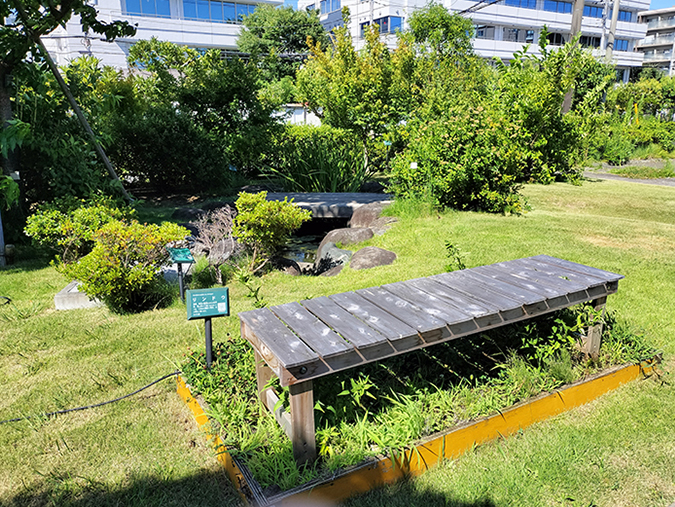
Biodiversity-positive green space near the facility’s main entrance
-
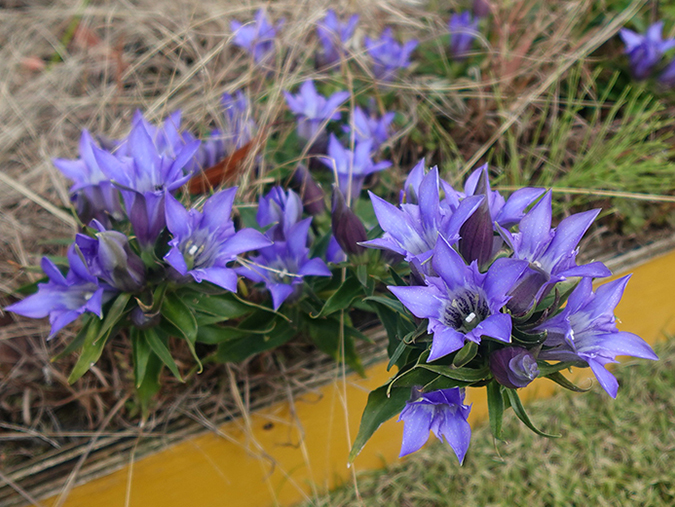
Japanese gentian, the official flower of Kamakura City
-
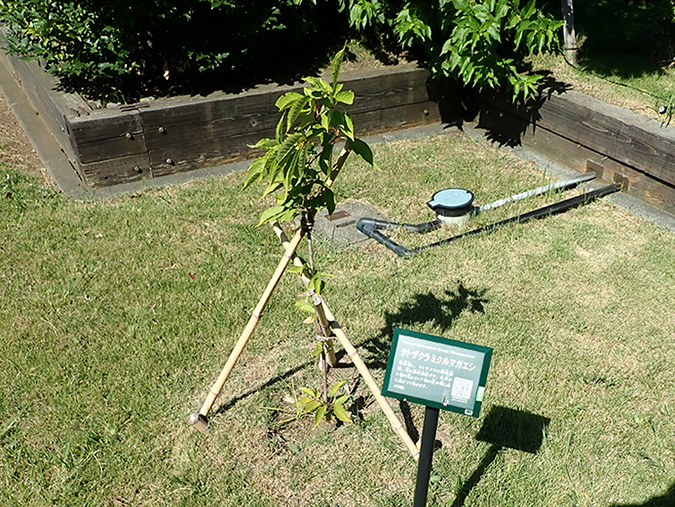
Mikurumagaeshi, Japanese cherry blossom tree originating in Kamakura