
2024.12.23
Tokyo Metro Corporation (Tokyo Metro) Adopts Synchronous Reluctance Motor System as a World-First Technology
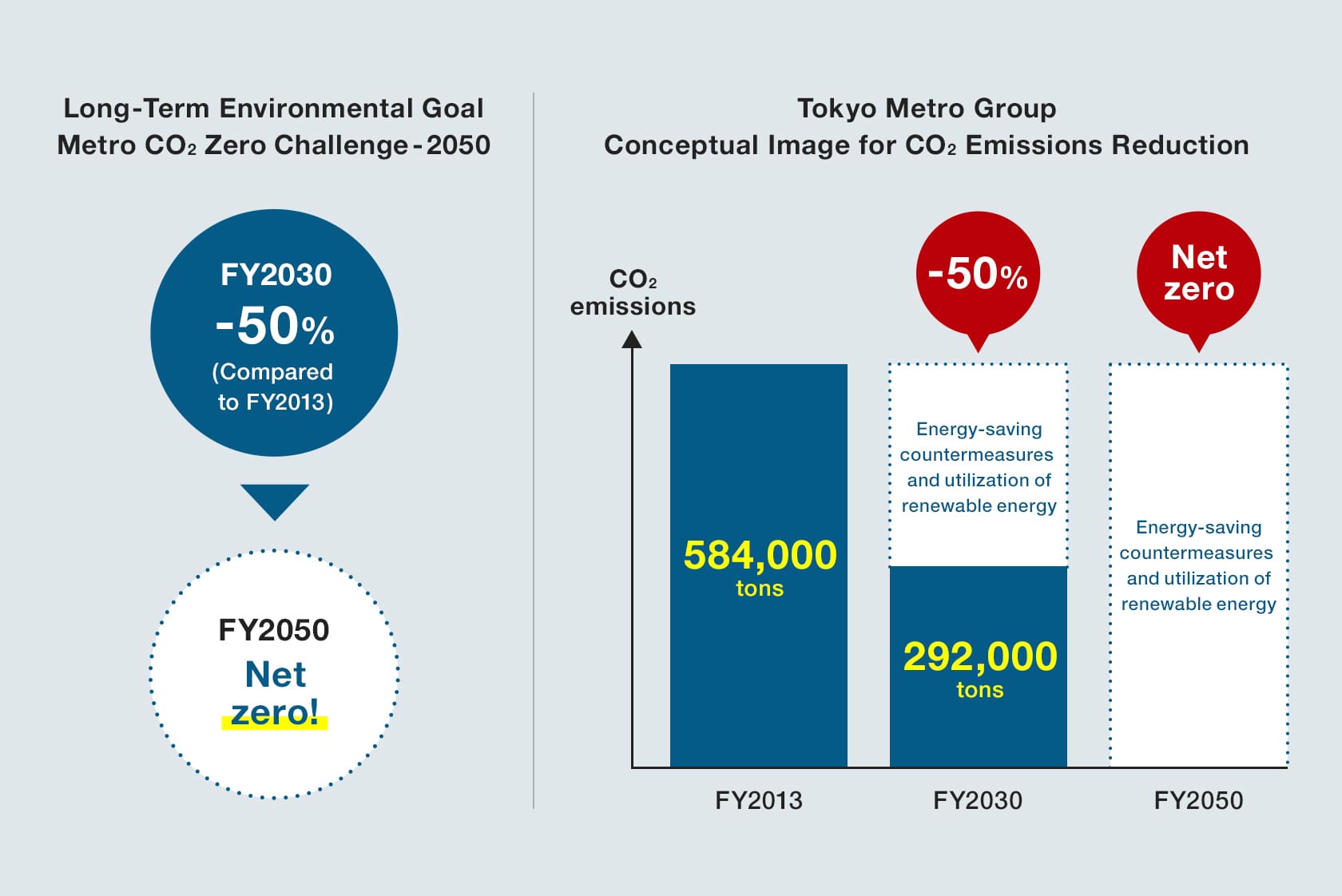
FIn accordance with "Metro CO2 Zero Challenge - 2050," Tokyo Metro Corporation (Tokyo Metro) has set a goal to reduce CO2 emissions to virtually zero by the year 2050, as part of its efforts to realize a decarbonized, recycling-oriented society.
The urgent task was to develop a more energy-efficient railway car drive system for the railway business that supports the urban functions of the nation’s capital, Tokyo.
In response, Tokyo Metro and Mitsubishi Electric joined forces in a project to fit train cars with synchronous reluctance motor (system).
As a result, from 2021 to 2022, the two companies verified in actual operations that this system was capable of reducing energy by approximately 18%, despite initial concerns that it would be difficult to equip in railway cars.
We spoke with Mr. Tomoki Matsui of Tokyo Metro’s Rolling Stock Dept., Railway Headquarters about the background behind this world-first technological development project, future expectations of Mitsubishi Electric, and so on.
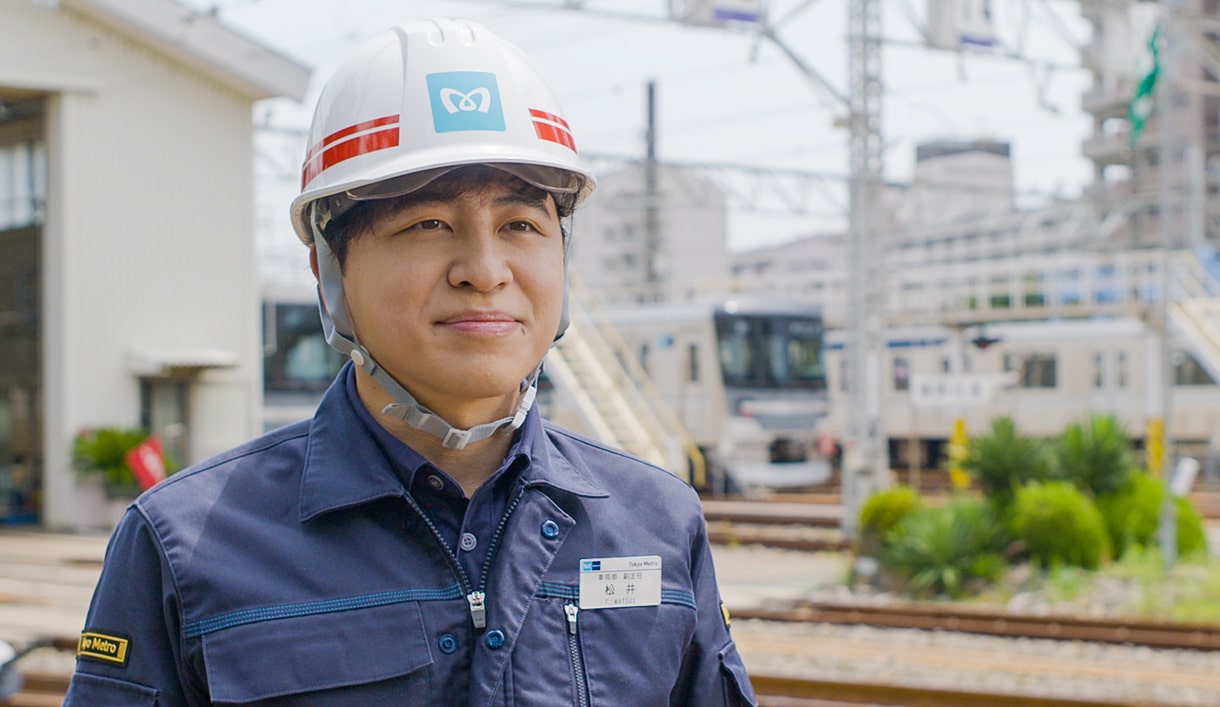 Matsui Tomoki
Rolling Stock Dept. Railway Headquarters
Tokyo Metro Co., Ltd.
Contents
Launching a new technological development project to achieve the "Metro CO2 Zero Challenge - 2050" goal
Mr. Matsui reflects on the project, saying "This project has entailed the development of cutting-edge technologies that are unprecedented and challenging as the goal of Metro CO2 Zero Challenge - 2050."
"Railway accounts for the largest percentage of Tokyo Metro’s business operations.
As such, it was essential to develop new energy-saving promotion technologies for railway cars in order to reduce CO2 emissions.
To this end, we had been holding regular workshops with various different manufacturers from some time back.
Motors are the linchpin of energy conservation in train car drive systems, but in fact, we have reached the best possible result in terms of energy conservation relying on motors.
The workshops did not focus on energy saving of motors in particular, but rather involved discussions about whether energy saving could be achieved by optimizing the entire drive system of rolling stock, including the control system."
Mr. Matsui shares that this project striving to achieve a world-first goal was proposed by Mitsubishi Electric.
"During the workshops, Mitsubishi Electric presented various proposals regarding how we could potentially improve efficiency.
One day, Mitsubishi Electric proposed equipping a ground-breaking synchronous reluctance motor (system) featuring VVVF inverter (control device), which utilizes SiC (silicon carbide), in an attempt to achieve even greater energy savings.
In fact, this was a world-first* attempt at equipping a synchronous reluctance motor on railway cars.
I was anxious about it at first but Mitsubishi Electric constantly kept the discussions constructive.
Through these discussions we reached the decision that we possessed the technological prowess required to overcome any hurdles, and decided to launch the project.
Looking back now, Mitsubishi Electric provided us with a truly fantastic opportunity to be involved in a world-first system development."
- Current as of June 2021
Soaring expectations within Tokyo Metro regarding a world-first challenge
"For seven of our nine lines, Tokyo Metro implements mutual through service.
For that reason, our cutting-edge technology has often spread throughout the industry as a common specification.
Internally, as a leading company in the industry, we have always maintained a strong desire to attempt new technologies.
I remember that when we received the proposal for the synchronous reluctance motor, the Rolling Stock Dept. was gushing with excitement.
To date, Mitsubishi Electric has proposed various new technologies which have produced good results, so that’s why I was confident that this project would bear fruit too."
Mr. Matsui goes on to say that he was amazed when he found out who had been assigned to the team for this project.
"I was truly surprised when I saw the Mitsubishi Electric members involved in this project as it was ramping up. There were so many renowned people that everyone in the industry knew or had heard of, and that fact in itself conveyed to me just how serious Mitsubishi Electric was about this project. I honestly believe that the team this time was an elite gathering insofar as motor and control unit technologies."
Meanwhile, Mr. Kaneko of the Mitsubishi Electric’s Rolling Stock System Technology Group reflects on that time.
"When this project first launched, we put together a team comprising of members capable of handling the latest technology.
Tokyo Metro’s trains run through the metropolis underground and the number of train cars, lines, and so forth that the company oversees rank among the highest in the world.
That is why, when they decided to engage in this world-first development on a railway car, we were determined to exert every effort to achieve this challenging task."
An atmosphere allowing people to immediately ask questions and openly speak their mind
"When actual development got underway, we would begin our remote meetings in the morning, then suddenly realize that we had been going at it all day.
The Tokyo Metro design team was constantly hungry for new technologies and there were many points where they simply wanted to know about how the technology itself worked.
As such, the development proceeded with Mitsubishi Electric elaborating on matters we weren’t clear on as we went.
Mitsubishi Electric is described in a good way as being ‘fragmented’ and I think it actually creates a casual atmosphere where our members feel at ease asking whatever comes to mind. It really helped to foster an environment in which communication was encouraged."
Nighttime onboard testing implemented two years from project launch
"In the onboard testing performed on the Hibiya line at night after the last train, the person in charge of trial operation had the tough task of evaluating when work had to be completed so as to ensure the last train was returned to the depot by 4 am in order not to affect the first commercial train operation of the day.
The actual tests only took a little less than three hours, so we decided upon the data we wanted to gather for that day in advance, then discuss areas for improvement, etc. by collating with data from the tested train car.
Sometimes we would have to stop the train car to adjust the software.
This onboard testing required us to respond appropriately based on data collected within a limited time.
Mitsubishi Electric supported us as one united team, going above and beyond the role of a manufacturer."
- I heard it was quite a struggle to adjust the nighttime onboard testing.
"During the night, various departments have certain works planned, including work on overhead lines and rail routes, which essentially leaves no room for anything else. It is extremely difficult to find time during the night to smoothly interact with all the other departments’ schedules."
Mr. Matsui also revealed that there was a lot of pressure given all the attention focused on this project in particular.
"Amid such circumstances, perhaps because we showed how passionate we were about this world-first target, we were able to negotiate with the other departments regarding the schedule, and they gradually became more and more cooperative.
Ultimately, against all odds, our onboard testing was prioritized.
This made us extremely aware of just how much attention this project was receiving within the company, therefore we couldn’t afford to fail. As such, I clearly remember how much pressure I felt to succeed."
Mr. Kaneko of Mitsubishi Electric’s Rolling Stock System Technology Group reveals that he had felt the same pressure.
"There was a lot of pressure because we had to complete many different tests in the limited time we had or we couldn’t proceed to the next stage. We had to make precise adjustments in a tense environment, and when difficult problems came our way, we had to use our experience to deal with them.
It was a situation where we could not afford to fail so we had to be alert and focused until dawn."
From the development phase right through to the actual onboard testing phase, absolutely NEVER said ‘it’s impossible’
"Up until now, we have carried out many nighttime commissioning tests with Mitsubishi Electric. For all of these tests, Mitsubishi Electric was able to thoroughly satisfy our minimum conditions from day one. Then, they would take the result of the first test and tirelessly work on improving performance even further without ever settling for a compromise.
In the workshops, design meetings, and even during loading tests, never did the team members say ‘it’s impossible’ despite the many challenges they faced.
On the contrary, the team always provided positive suggestions on how we might be able to achieve our goal.
This approach by Mitsubishi Electric really helped to propel the project forward."
Finally, demonstration tests began in December 2021, achieving energy savings of approximately 18%
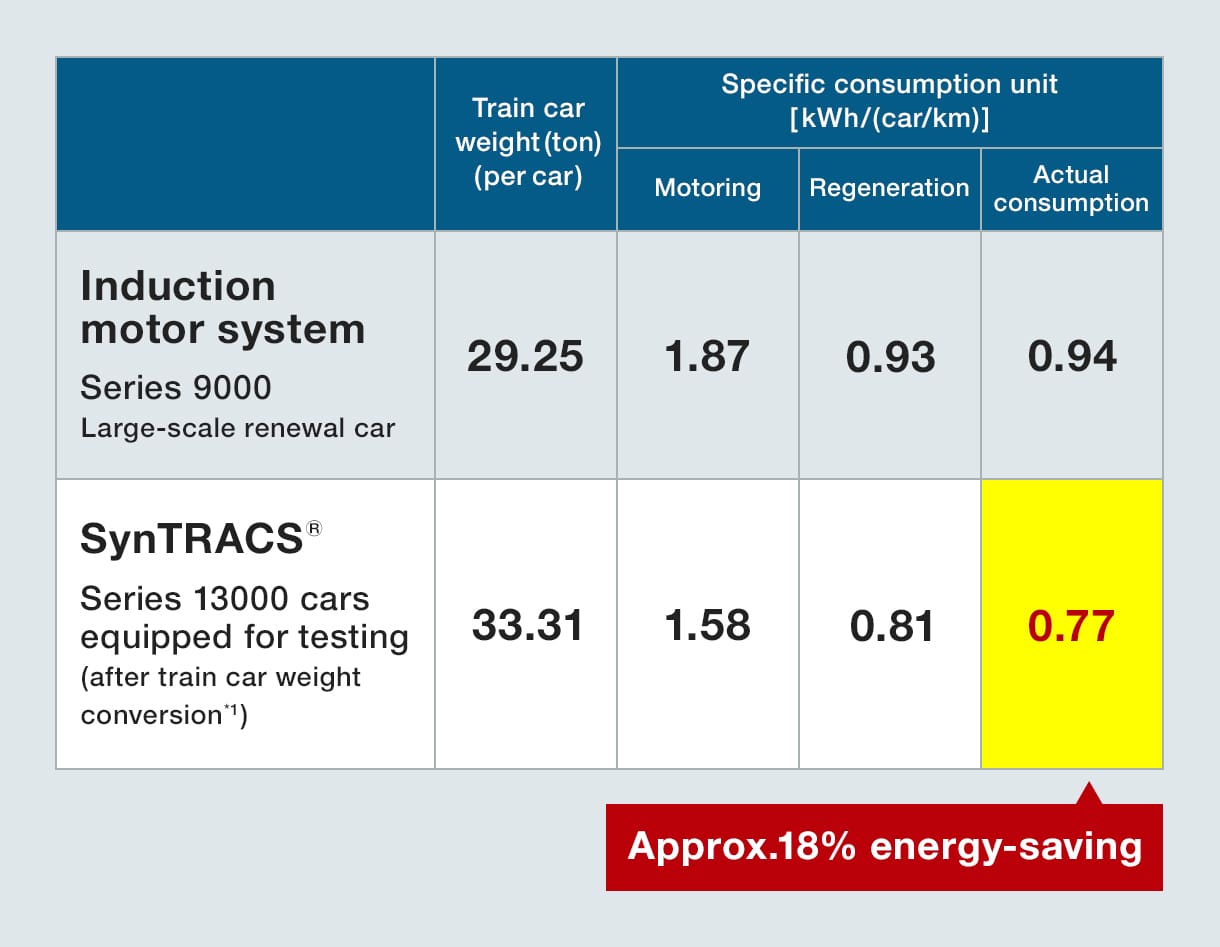 *1 Since the vehicle weights of the systems are different, the comparison was made based on the specific energy consumption when converted to the car weight of the Series 9000 cars undergoing large-scale renewal work.
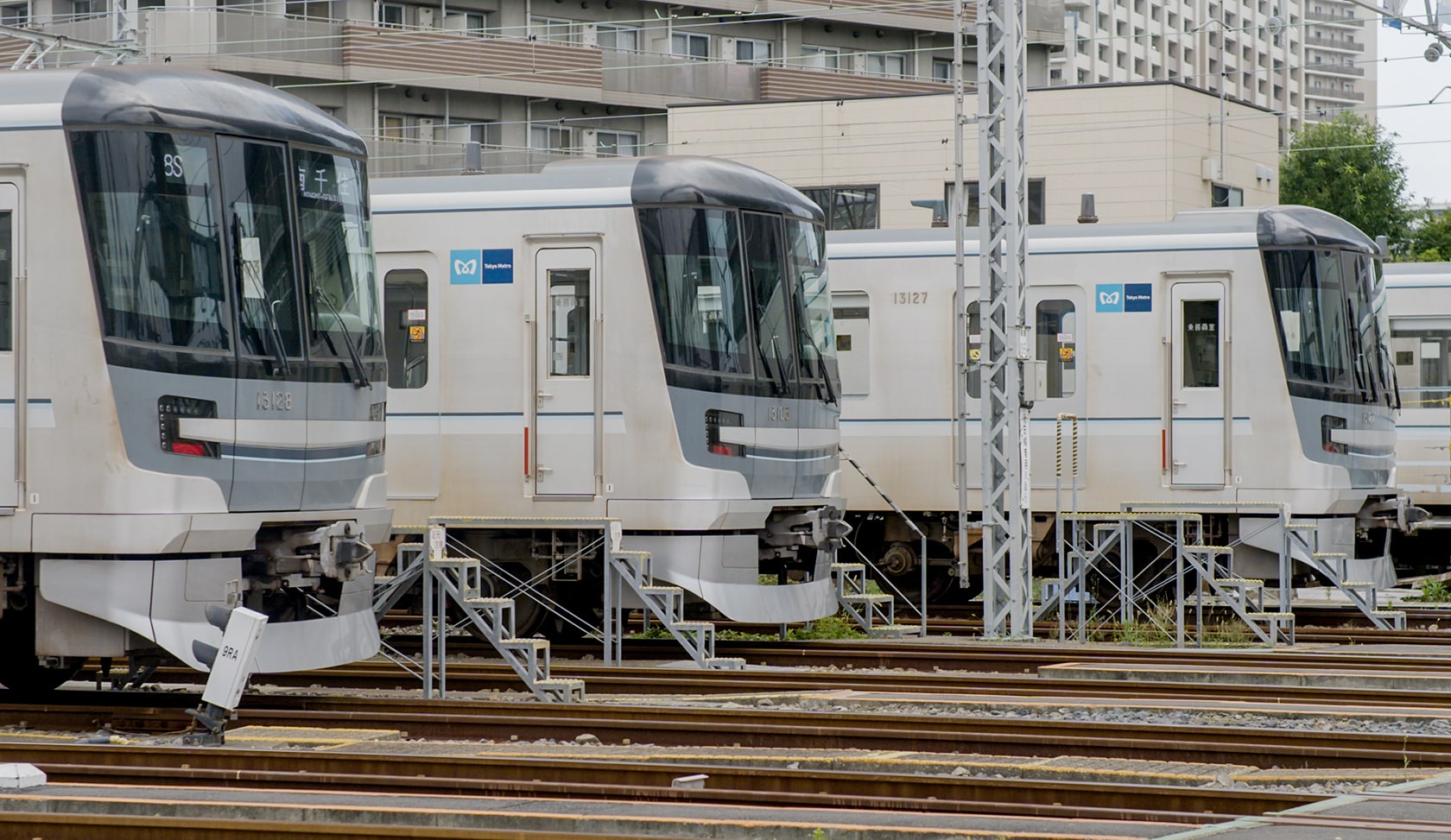
A synchronous reluctance motor was trialed on the Series 13000 train cars of Hibiya line and a long-term evaluation test was performed during normal commercial operation. This test produced a world-first result of approximately 18% energy-saving compared to an induction motor system.
- Evaluation period from Dec. 27 2021 to Feb. 12, 2022
"When I saw this result, it really struck me just how much the technology managed to increase efficiency. I was so filled with joy and utterly overwhelmed at the extent of the improvement," Mr. Matsui shares with us excitedly.
"I am particularly grateful to the people who supported us in the field.
I recall the nighttime onboard testing, and despite the grueling schedule, each department was so willing to cooperate and comply with our many demands in order to achieve this world-first technology.
I believe that the passion of the people in the field also contributed to this result.
During the onboard testing, various departments within Tokyo Metro were keen to know the result, so when I was informed by Mitsubishi Electric that an 18% energy-saving had been achieved, I immediately called for an internal debriefing meeting."
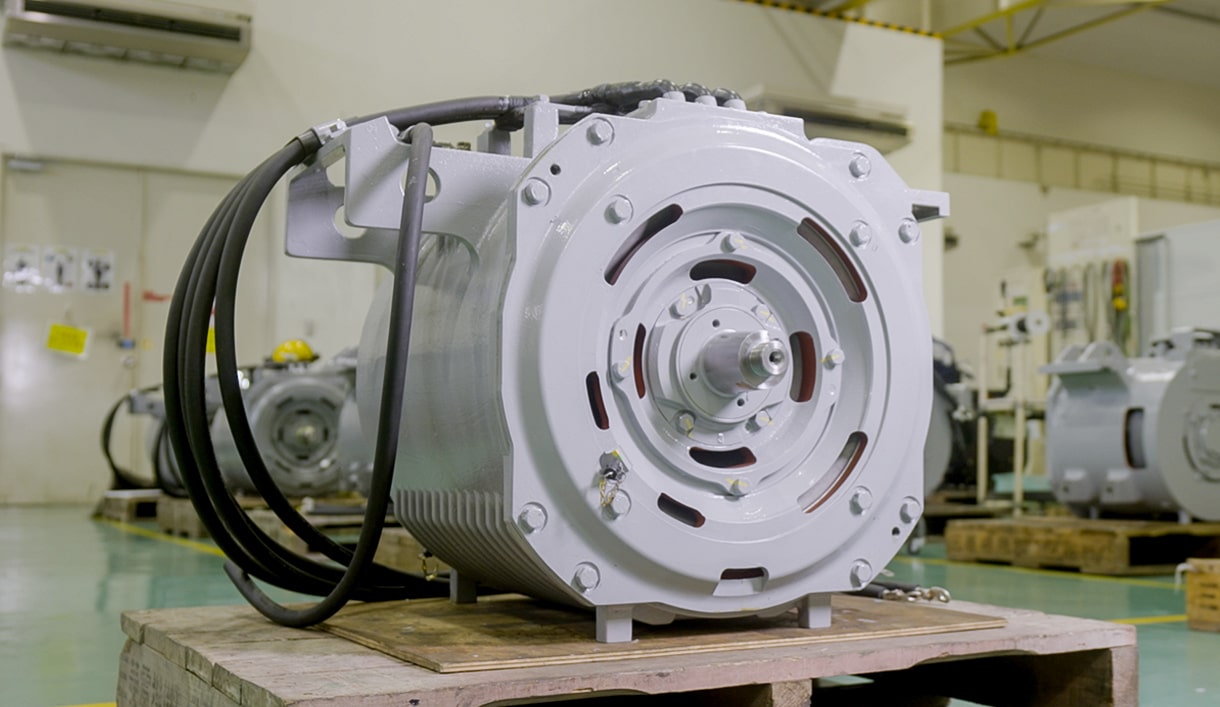
Mr. Matsui recalls how reliable Mitsubishi Electric’s technological capabilities were during the project.
"For this project, we were really pursuing a numerical value in a very marginal range in a situation where both the motor and the control unit were already close to their energy-saving limitations.
That’s why it is no exaggeration to say that this energy-saving of 18% is a fantastic result hugely exceeding our expectations.
That is what really made me aware once again just how amazing Mitsubishi Electric’s technology capabilities are.
Also, new developments such as this one present a variety of challenges, but with Mitsubishi Electric supporting us, I am always assured that we will overcome these challenges one by one and ultimately achieve our goal."
Constantly aiming for new standards together with Mitsubishi Electric
"In fact, at the start of the project, we talked about how we wanted to create something that would become the next new standard in the railway industry.
As a result, from the workshops to the demonstration tests, Tokyo Metro and Mitsubishi Electric came together as a single, united team to successfully create a world-first system with a synchronous reluctance motor that delivered a result exceeding our expectations."
- Is it true that you have already entered a delivery contract?
"Yes, synchronous reluctance motors will be installed on the Tozai Line from FY2026, followed by the Hanzomon Line trains.
I very much hope that this system will spread as a new standard in the railway industry in the future.
I would like to continue to work with Mitsubishi Electric in other fields and other equipment, actively learning new technologies and developing products that will become the new standard."
Mitsubishi Electric Products and Solutions
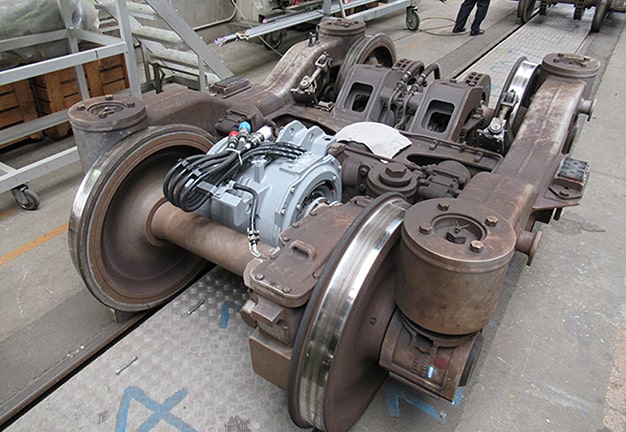
Synchronous Reluctance Motor System for Railways


