
2024.04.01
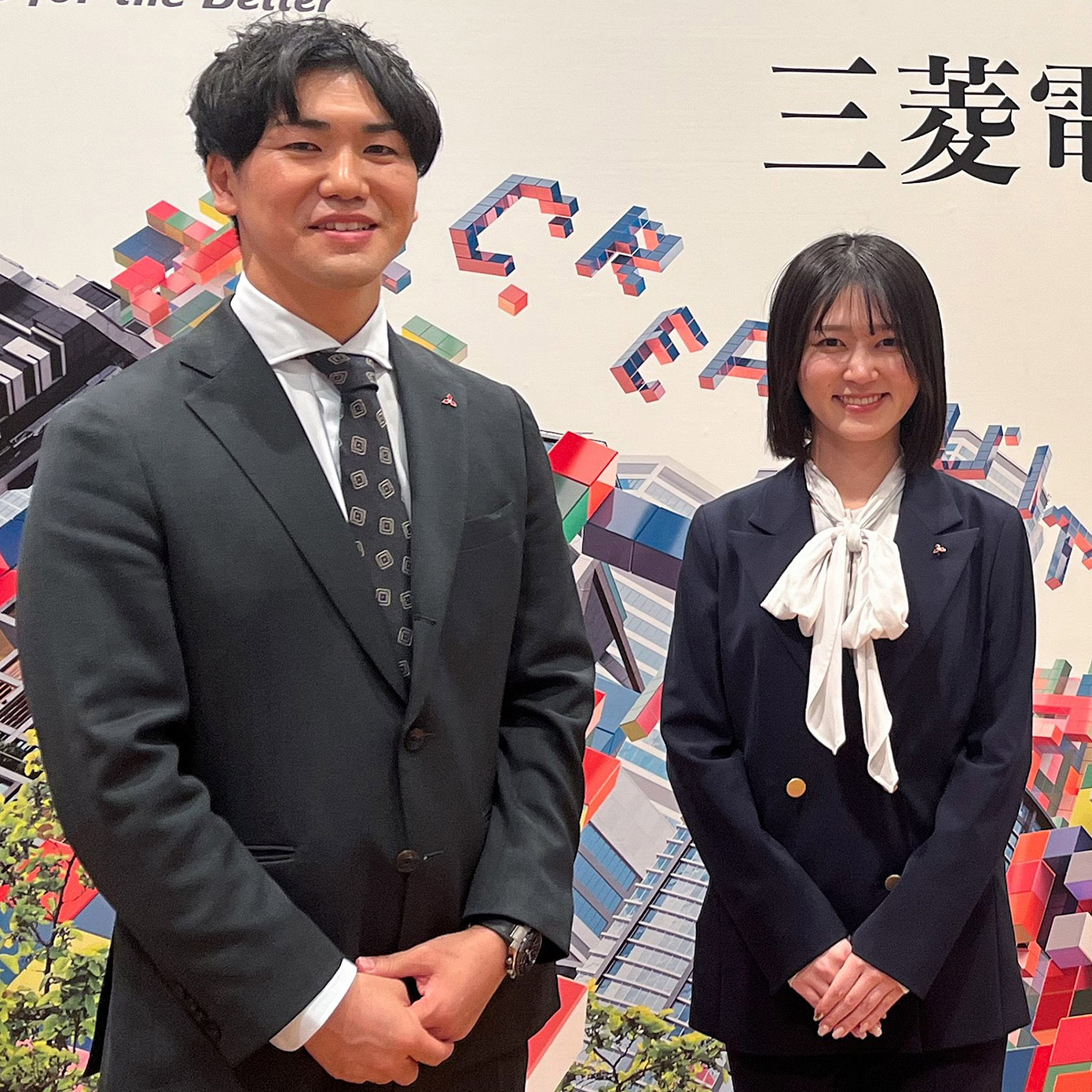
The thoughts and hopes to contribute to the Kyushu area through exhibitions.
Mitsubishi Electric Group's exhibition showcasing technologies and products that help companies solve problems. What thoughts and hopes were in the content of the "Mitsubishi Electric Group Exhibition 2023 in Kyushu," which was held in Fukuoka in December 2023 with the single purpose of providing an opportunity to connect with local companies?
Contents
The exhibition with three themes
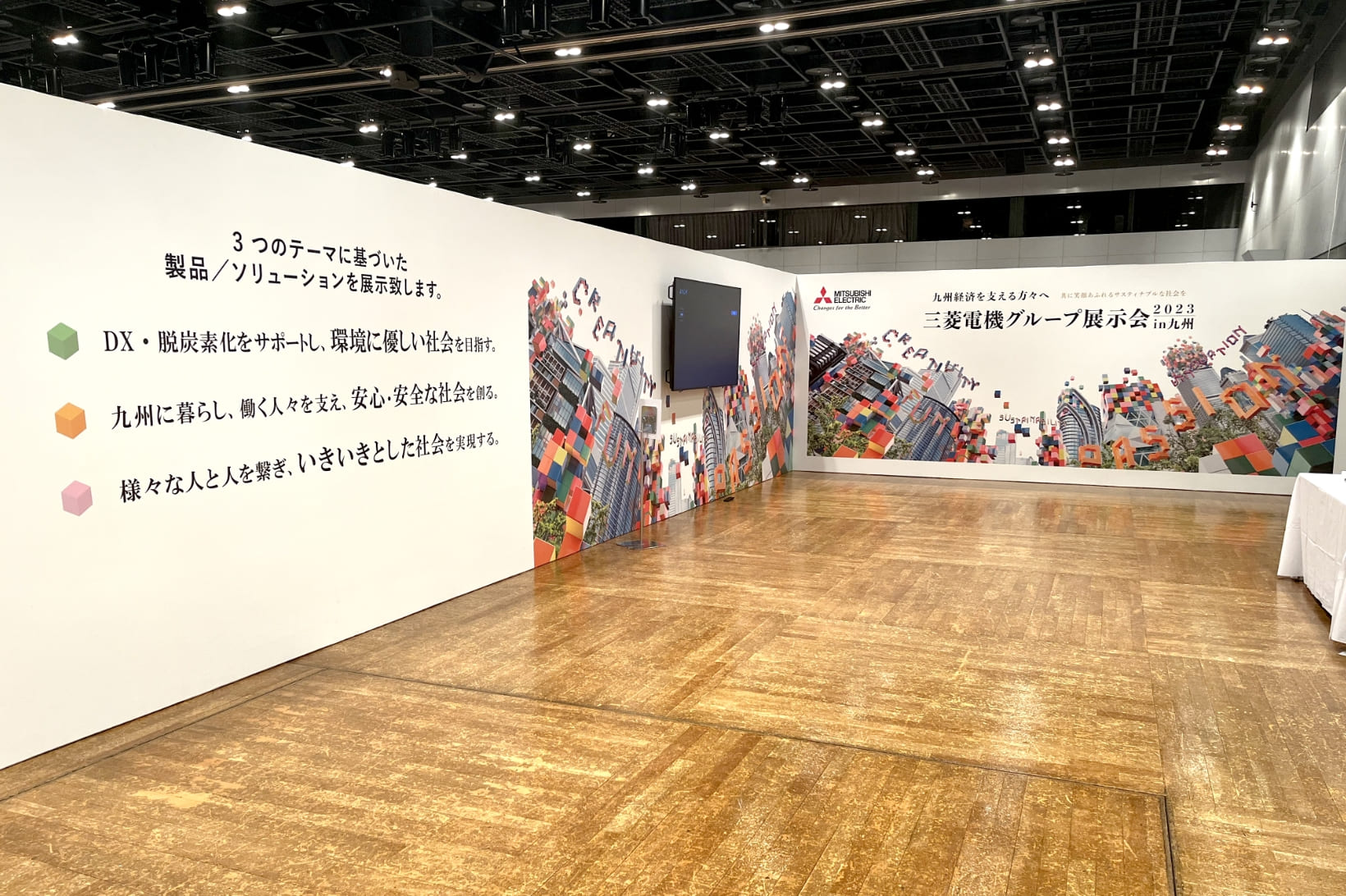
Fukuoka in Kyushu is known as the gateway to Asia.
The region has been active in economic activities, attracting companies in the IT industry, including businesses which produce semiconductors. An exhibition of Mitsubishi Electric Group was held in December 2023 at an event venue in Fukuoka City. The contents of the exhibition were intended to showcase the products and technologies of Mitsubishi Electric Corporation and its group companies, promote partnerships with companies in Kyushu, and ultimately contribute to the economic development of the Kyushu area.
They exhibited products and solutions based on these three themes: "Supporting DX and decarbonization, and aiming to make an Environmentally Friendly Society; supporting people who live and work in Kyushu to create a safe and secure society; and connecting people from all walks of life to create a vibrant society."
We asked Mr. Ryu Shintani and Ms. China Arakawa of the Planning Section, Business Promotion Department, Kyushu Branch Office, Mitsubishi Electric Corporation - who were the driving force behind the exhibition - about what kind of thoughts and background Mitsubishi Electric Corporation had in mind when it was put together.
Exhibitions contributing to the Kyushu area
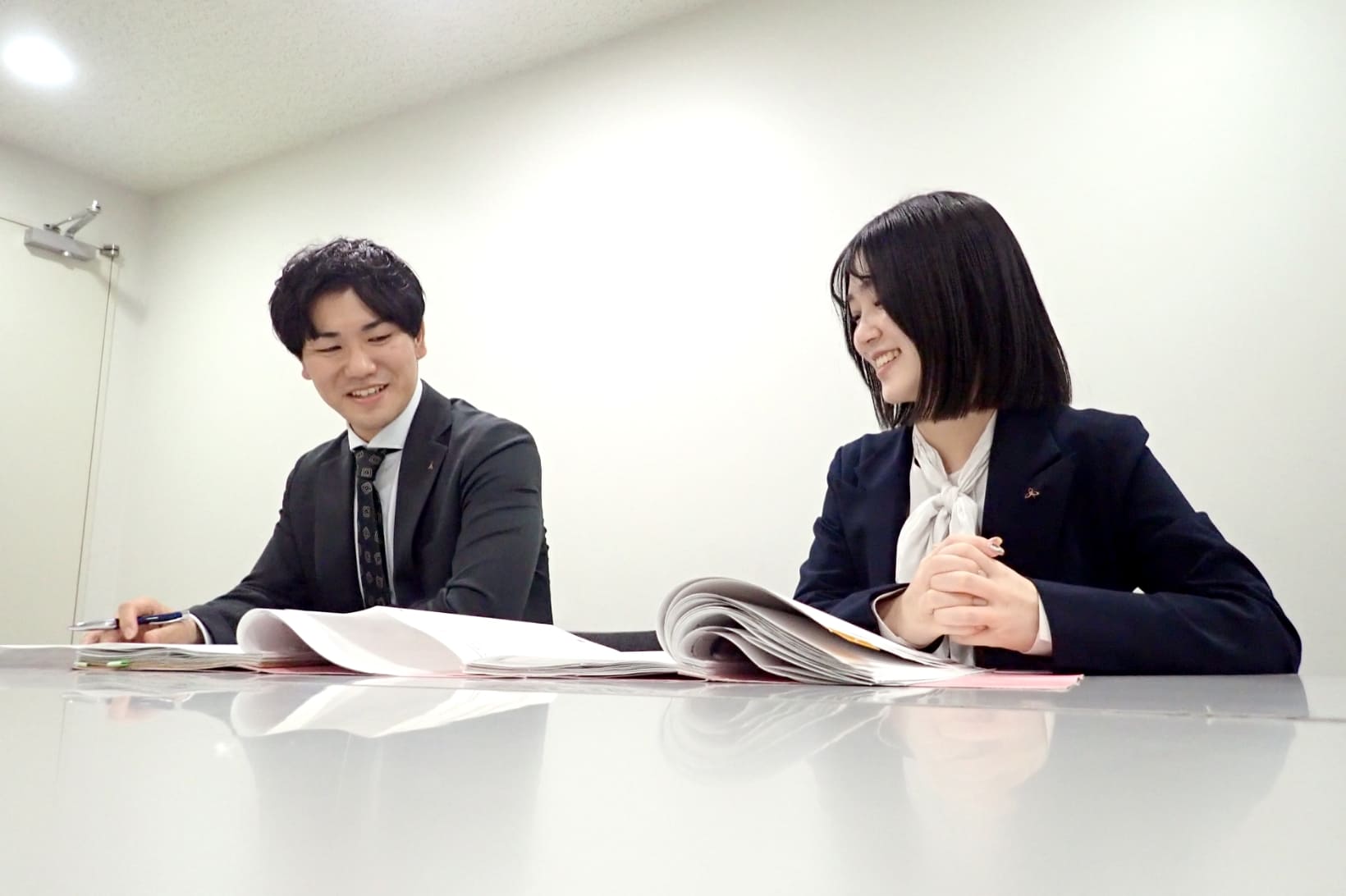
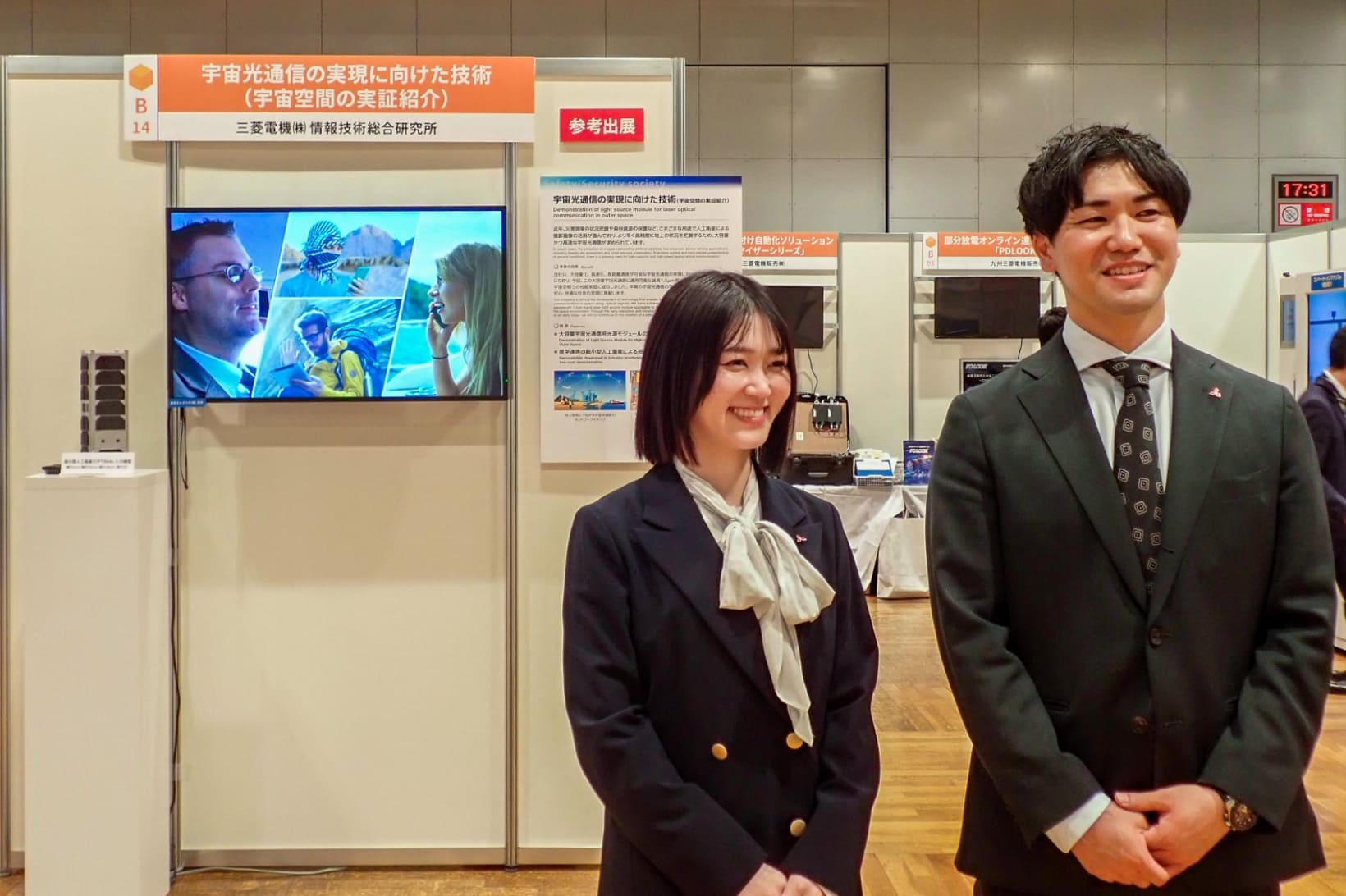 From left, Ms. China Arakawa, Mr. Ryu Shintani
- First of all, what was your role in the exhibition?
Shintani: I was in charge of the overall design of the Mitsubishi Electric Group's exhibition halls in the Kyushu area, and I oversaw a total of 32 exhibitors/sponsors. In addition, I was responsible for creating the layout of the venue.
Arakawa: We were to promote digital marketing, including the introduction and operation of a visitor management system to improve the efficiency of the exhibition operation and visitor information management. In addition to overall exhibition planning, I was also in charge of public relations activities for those outside the company.
- What did you hope to deliver at this exhibition?
Shintani: We thought it would be significant to let customers know about the products and solutions that are tied to the ‘five issue areas’ of the Mitsubishi Electric Group's sustainability management. While figuring out what kind of exhibit would be best (from the customer's perspective) for easy understanding, we examined social issues, circumstances, and customer issues unique to Kyushu, and aimed to create an exhibition that was in line with the local community.
Arakawa: I hope that the people of Kyushu will learn about the breadth of the Mitsubishi Electric Group's business domain and its advanced technological capabilities, and see the potential for problem-solving. Furthermore, from the viewpoint of safety and security, we would also like to introduce cutting-edge technologies that are being developed to enable the use of satellites to monitor disaster sites in Kyushu, where natural disasters such as heavy rainfall caused by linear precipitation zones are common.
Connecting to the World with Kyushu as a Gateway
- What were you conscious of when you were working on the exhibition?
Shintani: Some customers said that they did not know how to go carbon neutral, so we exhibited Mitsubishi Electric Group's technologies and solutions, such as equipment and data management systems that can use energy efficiently and provide solutions to customers' problems. We hope to contribute to solving social issues in Kyushu by solving the problems of each one of our customers.
Arakawa: We were conscious of not ending with just an exhibition. For the first time, we introduced a system to understand the needs of visitors to the exhibition. We used customer questionnaires before and after the exhibition, as well as business meeting memos to be filled out by the staff, to compile data on customer issues and trends, and to create opportunities to address customer issues even after the exhibition.
- What were some of the innovations you made in preparation for the exhibition?
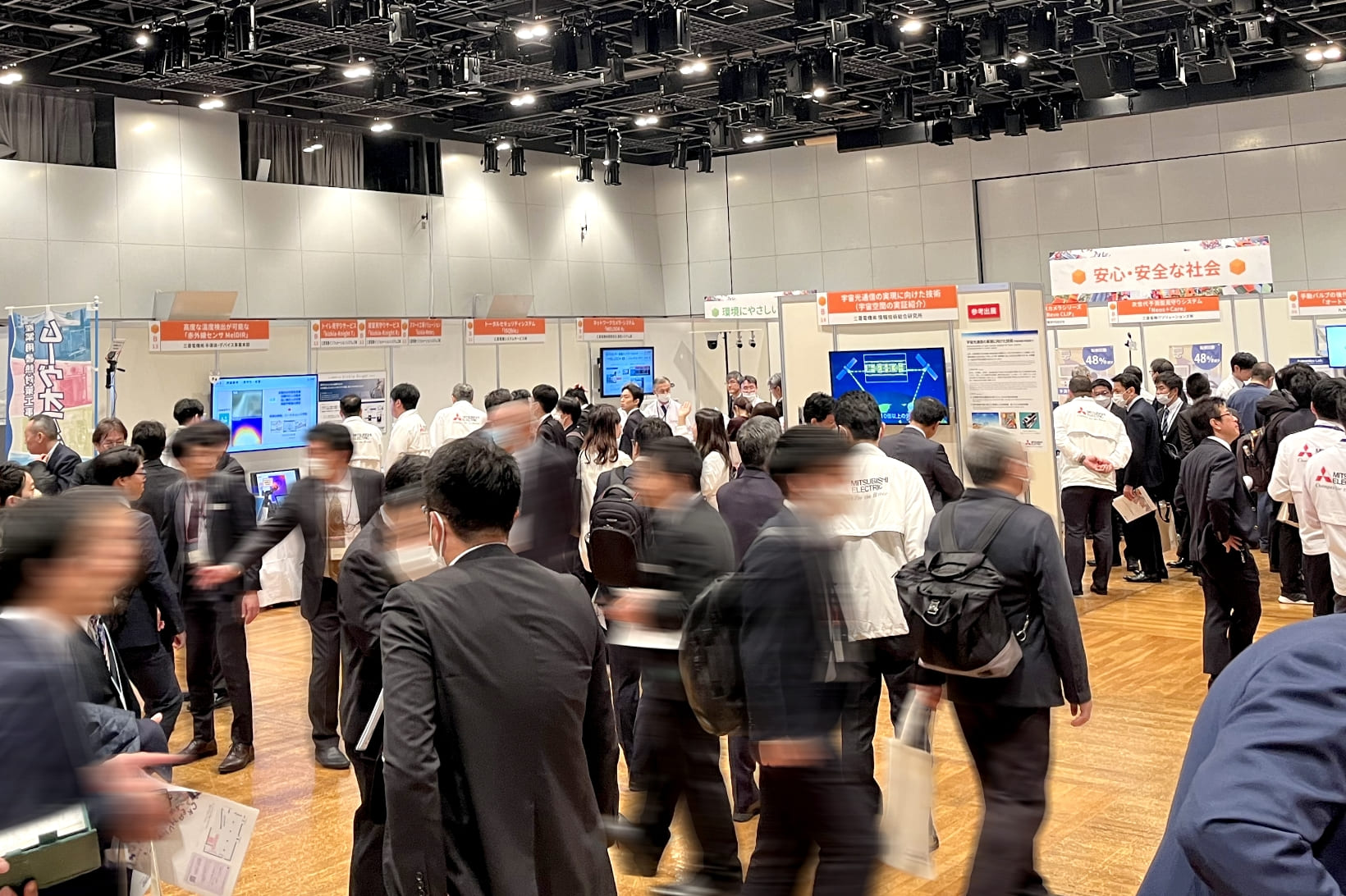
Shintani: Regarding space design, since it had been a long time since we were able to hold a real exhibition, we devised a way to showcase a large number of exhibits in a limited space. We wanted to introduce a wide range of products and technologies that are connected to social issues to help raise customer awareness. For example, in the exhibition zone featuring the theme of an "Environmentally Friendly Society," we displayed products and solutions that contribute to carbon neutrality and a circular economy. In particular, for the FA System Division's "e-F@ctory," we were conscious of presenting products and solutions - from the production floor, to the IT system - in a flow that would allow customers to easily visualize their introduction.
Arakawa: In order to understand the needs of customers in advance so that our sales staff could attend to them carefully when they arrived, we added a "purpose of visit" item on the visitor registration screen. Although we were anxious to see if they would actually fill out the form, we were touched by the warmth of the many customers who did. The responses we received showed a very high level of interest in Mitsubishi Electric Corporation's semiconductor business and factory automation products and solutions, as Kyushu is said to have a high concentration of key industries that lead the Japanese economy, such as semiconductors and automotive-related industries. I was also impressed by the fact that we were able to gain a new understanding of trends in the Kyushu economy based on customer feedback.
- How do you think Mitsubishi Electric Corporation's "Changes for the Better" concept was embodied in your efforts this time?
Shintani: After the coronavirus disaster, we had to proceed with this exhibition in a state of exploration, in light of the new means of online exhibitions that have emerged throughout the world. But I think we were able to preserve good aspects of past exhibitions, while working to create an exhibition in line with the times.
Arakawa: We introduced a visitor management system for the first time to consolidate customer information and reduce man-hours required for reception work during the exhibition this time. We - and many of our employees - were unfamiliar with the system, and had a hard time when we introduced it; but with the cooperation of all the companies involved, we were able to achieve centralized information management, and operational efficiency was improved.
We also considered how we could convey the exhibition concept to stakeholders in an easy-to-understand manner. In addition to fully publicizing the fact that the exhibition was based on our management policy, we were able to conduct PR activities that matched our corporate message by unifying the way we presented the exhibition in the invitation/pamphlet, etc.
- Please tell us about your thoughts or hopes to contribute to society and the world.
Shintani: Although it is a small start for something as big as the world, I think it is important for each company to promote more sustainable management to revitalize the Kyushu area first. For example, in the manufacturing industry, we propose solutions to reduce the total costs for development, production, and maintenance by utilizing the FA and IT technologies of the Mitsubishi Electric Group, and we desire to take manufacturing one step further. We want to contribute to the community and society as a whole by helping our clients improve their businesses.
Arakawa: Kyushu, especially Fukuoka, has an international airport and an international hub port, and is called the "Gateway to Asia" because of its location and easy access from Asia, making it a nexus point for Japan and other countries. In Kyushu, where inbound demand and the number of foreign workers are increasing, we believe that expanding the sales of our group's products and solutions that contribute to the realization of regional sustainability will lead to the realization of a vibrant and sustainable society in Japan, as well as abroad.
- Please, tell us about your outlook for the future.
Shintani: I would like to use this exhibition as a starting point for the Mitsubishi Electric Group to work together as a whole to better solve our customers' issues.
Arakawa: We would like to continue to communicate the Mitsubishi Electric Group's technologies and solutions to customers with whom we have established relationships through this exhibition, and eventually we would like to establish opportunities for co-creation with our customers.


