2024.09.24
Abandon Preconceptions and Actively Build Relationships of Trust
The Mitsubishi Electric Group has employees around the world in different cultures and environments. We asked them, "What’s on your mind as you work to make changes for the better?"
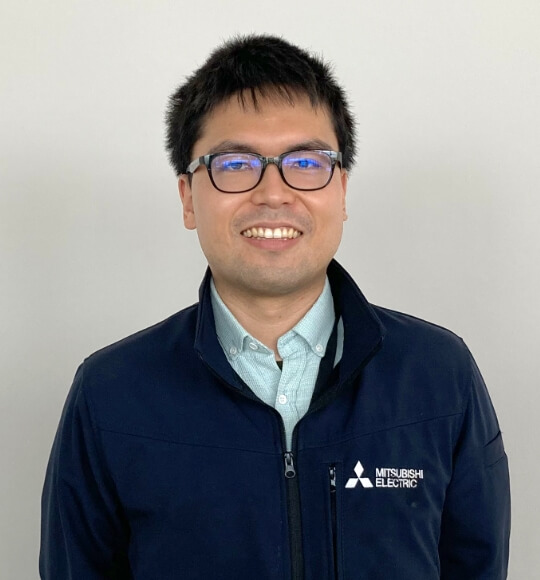
In this article we ask Koki Kurihara, who took part in Mitsubishi Electric’s OJT Global Trainee Program with a placement in Turkey.
Here’s what he said, in his own words, about his year-long placement and his plans for the future.
Contents
The importance of learning communication styles
My name is Koki Kurihara, and I currently work at Mitsubishi Electric Turkey Klima Sistemleri Üretim A.Ş (MACT).
I joined Mitsubishi Electric in 2018 and was assigned to the Room Air Conditioning Production Technology Department at our Shizuoka Works. I was responsible for heat exchangers—key components that affect air conditioner performance—with duties that included manufacturing technology R&D, deploying new equipment, and improving productivity.
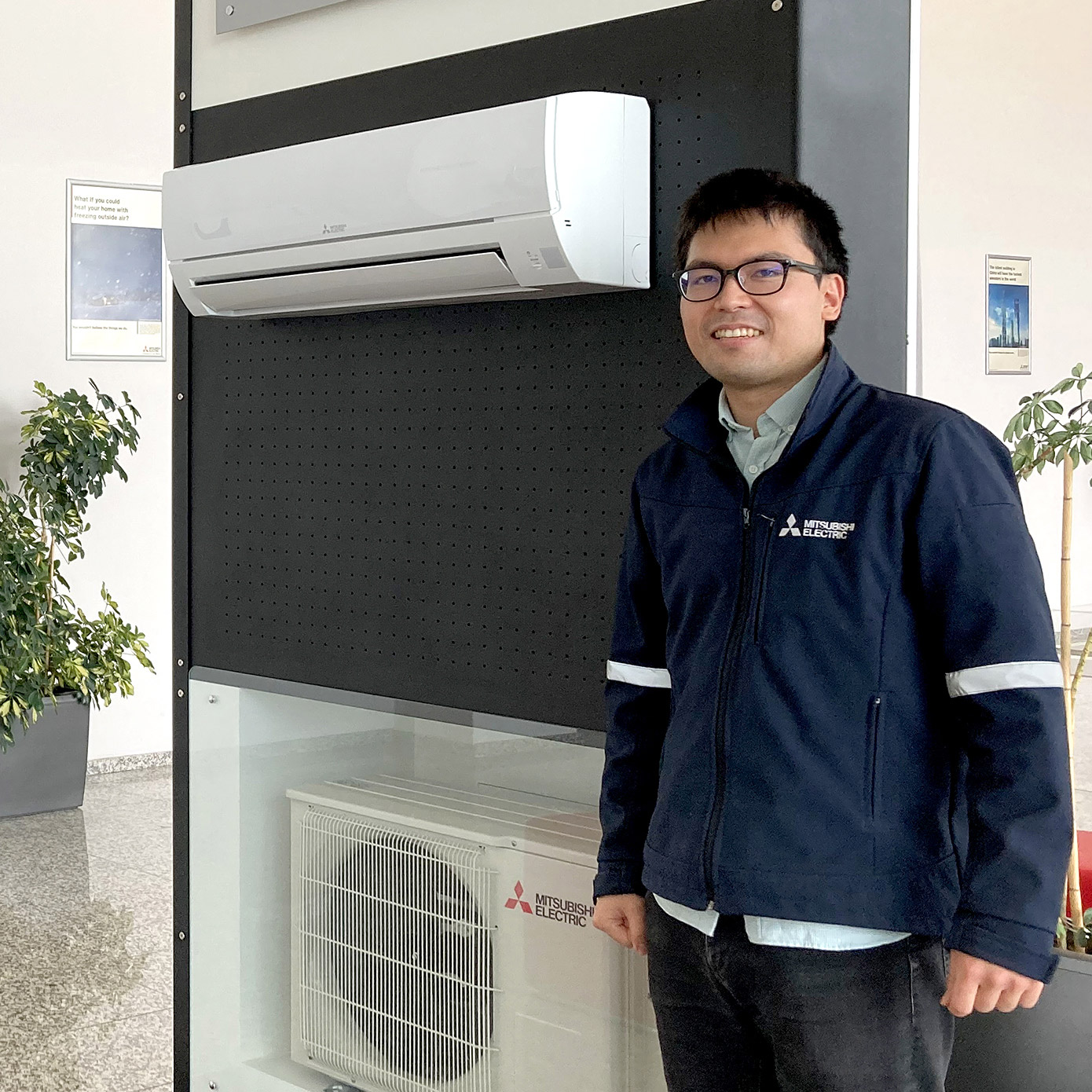
In 2023, I began a placement at MACT in Turkey as an advisor to the manufacturing department. My job is to improve productivity not only for heat exchangers but also for sheet metal and resin components.
To achieve these productivity improvements, I spend my days making operating rates visible at each stage of the process, performing analysis, formulating proposals for improvement, changing processes, and improving or expanding equipment. The goal is always high-efficiency, high-quality production.
When I first arrived in Turkey, one thing that surprised me was the greetings at the beginning of each conversation, which go like this:
"Günydün. Nasılsınız?" (Good morning. How are you?)
"Iyiyim Teşekküler. Siz Nasılsınız?" (I’m fine, thanks. And you?)
"Ben de iyiyim teşekküler." (I’m fine, too. Thanks.)
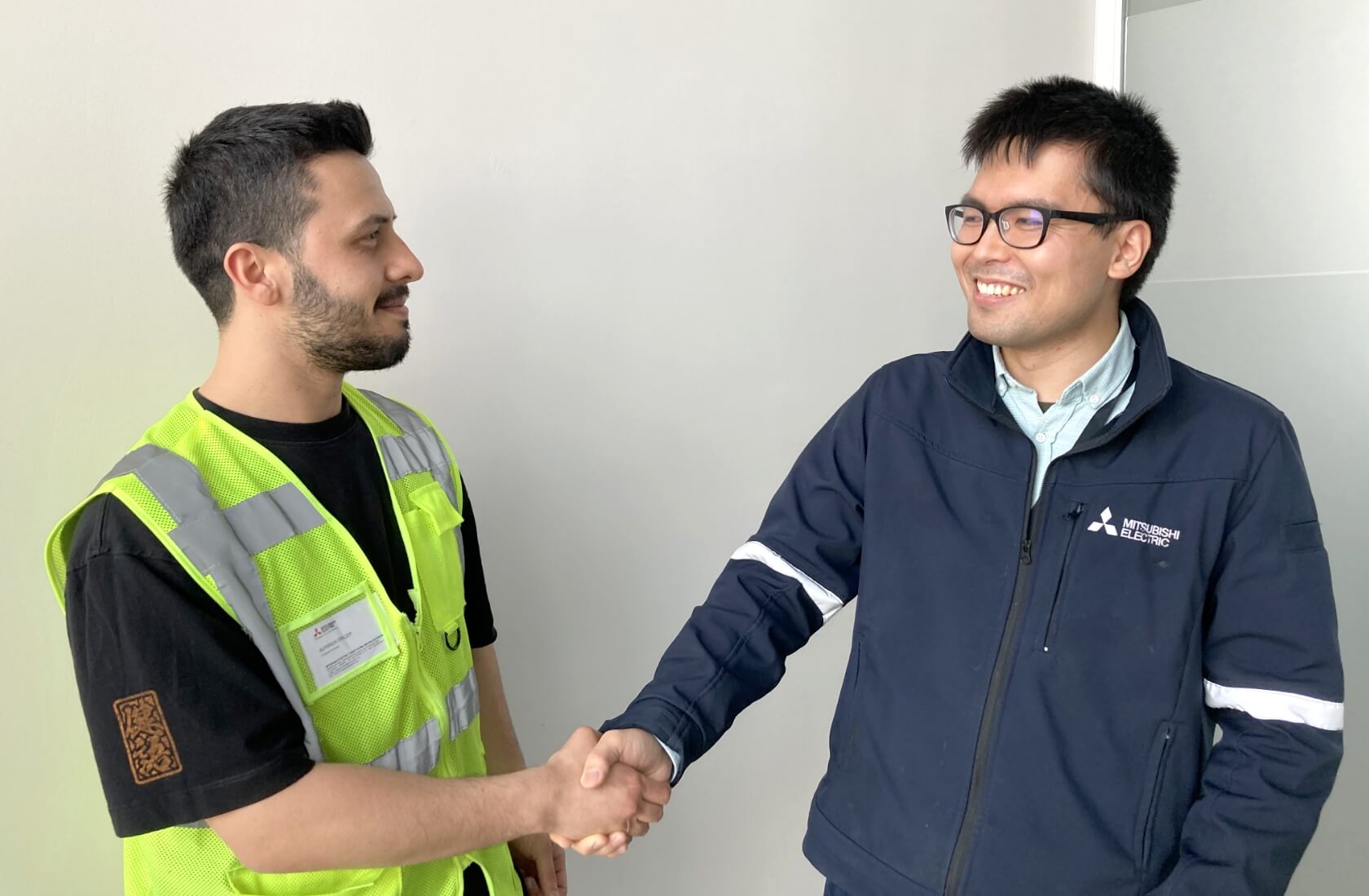
Even when speaking to someone during work or calling them on the phone, the exchange always begins with these greetings. What a wonderful culture this is, I thought. Every conversation begins with a smiling inquiry about each other’s health and mutual exchange of gratitude! Since learning to use these greetings myself, I have become closer to my local colleagues. This is a palpable demonstration of the importance of learning the communication style of the country you are in.
A pleasant, welcoming, and lively work environment
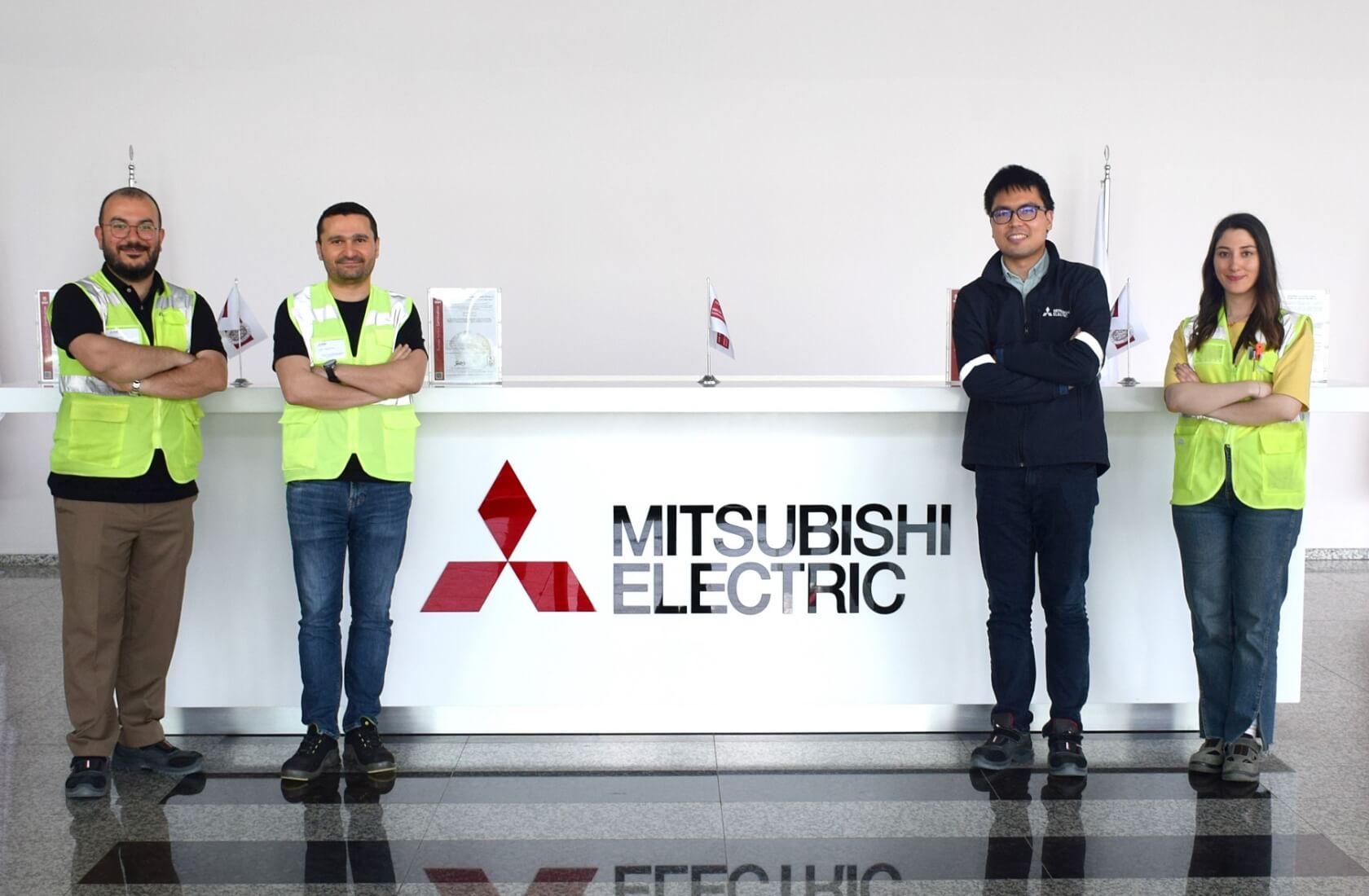
MACT is located in an industrial park in the Turkish province of Manisa. It was completed in 2017, making it a relatively new plant. The entrance is spacious, to welcome customers in large numbers, and the manufacturing floor contains a great deal of automated equipment, which is popular with visitors.
Our office is equipped with the latest technology and a carefully designed layout. Desks are placed in blocks of four for ease of communication, and everyone works together harmoniously. The desk heights are adjustable so that people can work standing up, which means that even desk work does not cause back pain, and the environment is pleasant and conducive to impromptu discussions.
My local colleagues are very young, with an average age of just 31 years old. They are always eager to embrace new ideas and challenges, and a knack for taking action feels common.
On one occasion, I proposed a certain production line improvement to my colleagues. I expected the change to take a week or so, including preparation time and deployment, but was astonished to learn that my local colleagues had completed the work in one full day.
In Japan, we formulate a detailed plan, eliminate risks, and then move on to execution, but in Turkey, it’s more common to keep things moving and address issues if and when they arise. The speed of execution is formidable, and I feel the need to learn from this.
The kind and caring people of Turkey
Daily Schedule
6:00 AM
Wake up
I commute to work via company-arranged bus.
7:15 AM
At work
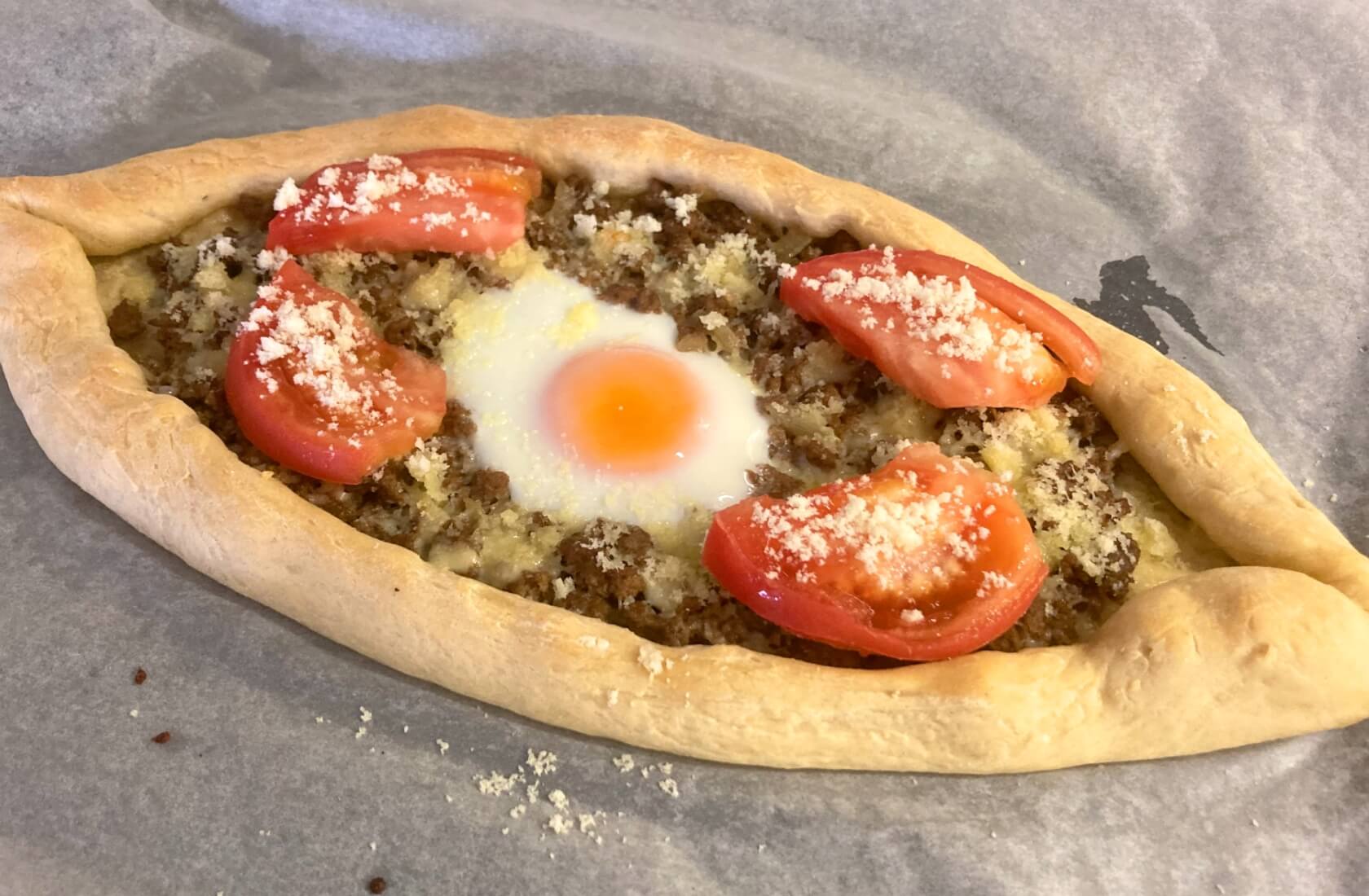
After arriving at work, I buy and eat some bread in the cafeteria.
7:30 AM
Start working
Work hours run from 7:30 AM to 5:30 PM, so mornings start early.
The time zone is 6 hours behind Japan’s, so morning meetings with Japan are common.
12:00 noon
Lunchtime
I eat lunch at the company cafeteria. A rich variety of freshly cooked and delicious Turkish food is available.
1:00 PM
Breaks
Back at work, with occasional chai breaks. Taking a break refreshes the mind and helps you work more efficiently.
5:30 PM
Leave work
I finish the day’s tasks and leave the office for the day.
6:30 PM
At home
After arriving home: I have home-cooked Turkish food for dinner every night. Sometimes I have tea with local friends or go to admire the beautiful sunset in İzmir.
10:00 PM
Bedtime
I’ve been in Turkey for half a year now, and I’ve found that the Turkish people are very kind to everyone. I was once taking the train to the airport when it suddenly stopped. The announcement in the carriage was all in Turkish and too fast for me to understand, but Turkish people sitting in the seat across from me explained what was happening: "It’s okay, the train will start moving again in a few minutes!" Also, when a parent with children or an older person boards the train, someone always gives up their seat for them, so I think the Turkish people all have kind, caring hearts.
It starts with proactive action
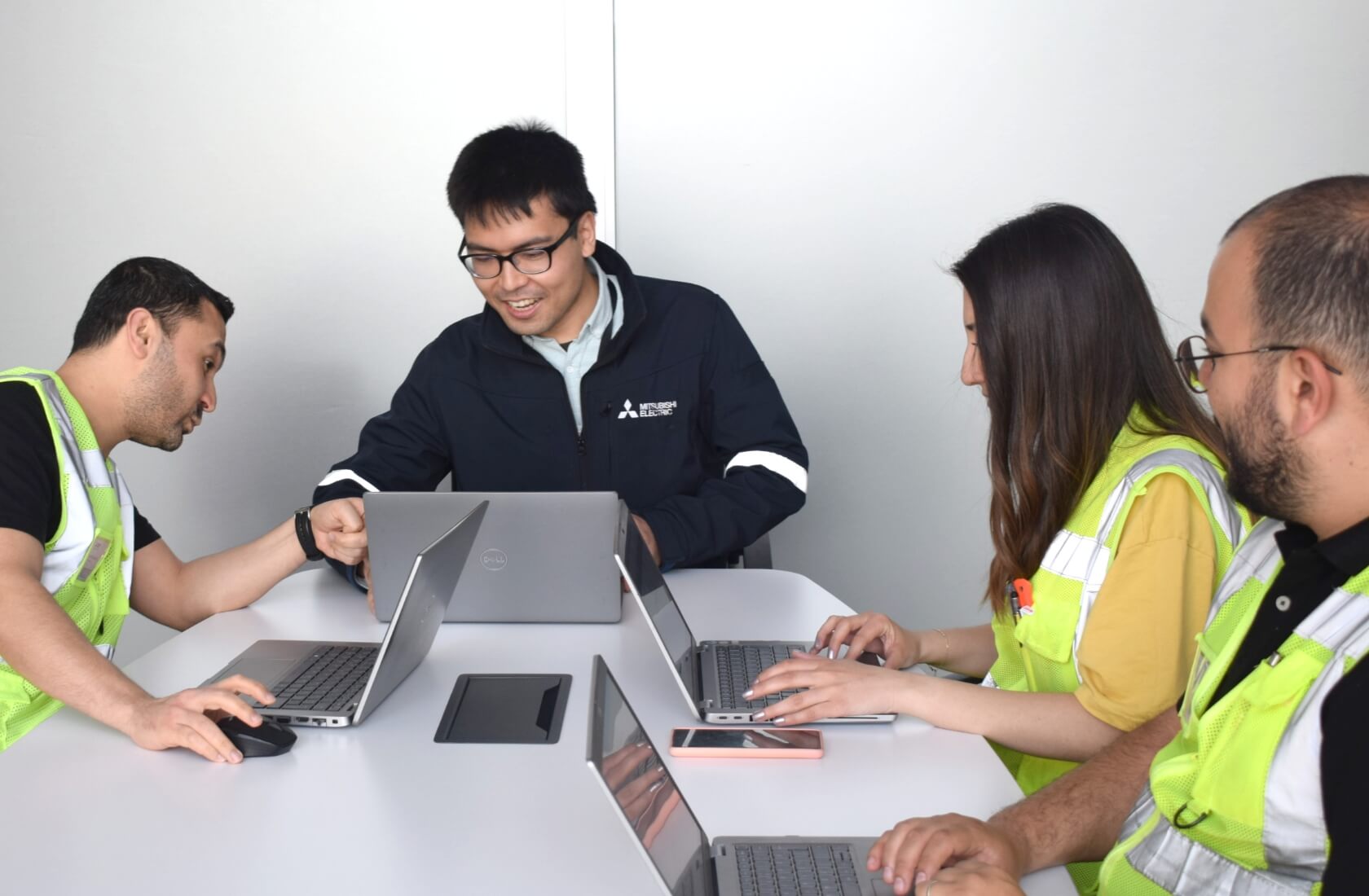
To improve the production line, I sometimes need help from the operators to investigate the production equipment and details of the work they do. When I first arrived here, I couldn’t speak Turkish, so I would explain things to a site leader who spoke English and would then convey the details to the rest of my colleagues.
On one occasion, however, the details weren’t conveyed properly to the operators, which provoked an angry outburst: "What is the point of this investigation? Stop making extra work for us!" The site leader wasn’t present at that time, which made me anxious, but when I explained things using a combination of my newly-acquired Turkish, gestures, and body language, they understood my intent, and crisis was averted.
After that, I started trying to speak to that person in Turkish whenever possible, and today we take our chai breaks together. They tell me directly when there is a problem, even a minor one, and I think we have built a relationship of trust.
In my opinion, the important thing is not to give up on communicating simply because of linguistic barriers. Today there are many translation apps, so even if you can’t speak the local language, you can still build a relationship with someone as long as you show a genuine desire to communicate with them.
Shortly after arriving in Turkey, I made several improvement proposals, but even when the people responsible gave the okay, in most cases no one actually made the changes. In Japan, "No" is often understood from the mood of an exchange, even if left unspoken, but I was flustered by the complete lack of action despite an explicit "Okay."
So I took the lead in going to the site to implement my proposals and deliver results with my own hands. Also, instead of insisting on improvement proposals in a one-sided way, I strove to explain things thoroughly, using diagrams to convey details accurately and data to show how large the benefits would be.
These are small things, but their gradual accumulation helped a relationship of trust with my local colleagues form, and over time they began to cooperate with me.
This taught me that mutual trust is the most important requirement for keeping work moving smoothly. It’s vital to show people that you are making the effort to win their trust.
Living in Turkey, my feelings of gratitude to those around me have naturally increased. Turkish people are full of love for their neighbors and rush to help when they see someone in need. For example, if you drop something in the street, a nearby person will pick it up and return it to you; if you are lost, a passer-by will help you with directions; and I often see people giving up seats for each other on trains and buses. I have also become more eager to help when I see someone in trouble, so I think I have grown as a person, too.
Right now, MACT primarily ships air conditioners to Europe. As we seek to increase sales to Turkey, growing our market share will be one challenge. I suspect that the Turkish market will demand air conditioners at even lower prices than in Europe.
That will require us to achieve stable production using inexpensive materials, reduce costs by using less labor, and generally take our production technology to the next level.
I hope to be able to work with MACT’s local colleagues to improve production technology levels across the board and make inexpensive Mitsubishi Electric air conditioners available across Turkey, improving quality of life (QOL) for the Turkish people.
When you hear the phrase "Working overseas," what do you imagine? It might sound like something reserved for overseas returnees and those who studied overseas as students, but at Mitsubishi Electric, everyone has a chance to work overseas.
Indeed, I had never studied or even traveled overseas before, and was uneasy about whether my English would be understood overseas. But when I embraced the challenge while learning on the ground, I became able to have English conversations at work with no real difficulties. The important thing is to abandon fixed ideas and preconceptions and embrace new challenges.
PROFILE
Mitsubishi Electric Turkey Klima Sistemleri Üretim A.Ş (MACT)
Koki Kurihara
I am in charge of production technology on the MACT plant’s production lines (heat converters, sheet metal, resin components).
2018
Joined Shizuoka Works, Mitsubishi Electric. Assigned to Production Control Section, Room Air Conditioning Manufacturing Department
2022
Assigned to Production Technology Section, Room Air Conditioning Manufacturing Department, Shizuoka Works
2023
Assigned to current post