2024.09.30
Proactive Communication Broadens Your Horizons
The Mitsubishi Electric Group has employees around the world in different cultures and environments. We asked them, "What’s on your mind as you work to make changes for the better?"
In this article we ask Kana Kuniyasu, who took part in Mitsubishi Electric’s OJT Global Trainee Program with a placement in Poland.
Here’s what she said, in her own words, about her year-long placement and her plans for the future.
Contents
Daily encounters with diverse values
Hello, everyone. It’s nice to meet you. Dzień dobry. (Good morning).
I’m Kana Kuniyasu, and I received a placement at Mitsubishi Electric Europe B. V. Polish Branch (MEU-PL) on the Global Trainee Program.
I joined Mitsubishi Electric in 2015 and spent nine years as a servo amp software designer at the Drive Systems Department at our Nagoya Works, with duties including software development and customer service.
Being involved in custom software development meant I had many opportunities to hear customer requirements and see the equipment they used. Most of the work was within Japan, but there was some overseas travel involved, on which I became increasingly conscious of differences not only in attitudes toward work but also in culture and other matters. Wanting to deepen my knowledge in this area, I developed an interest in working overseas. Actually living in Poland for a year on Mitsubishi Electric’s On-the-Job Training (OJT) Global Trainee Program, I found that many things became newly apparent to me.
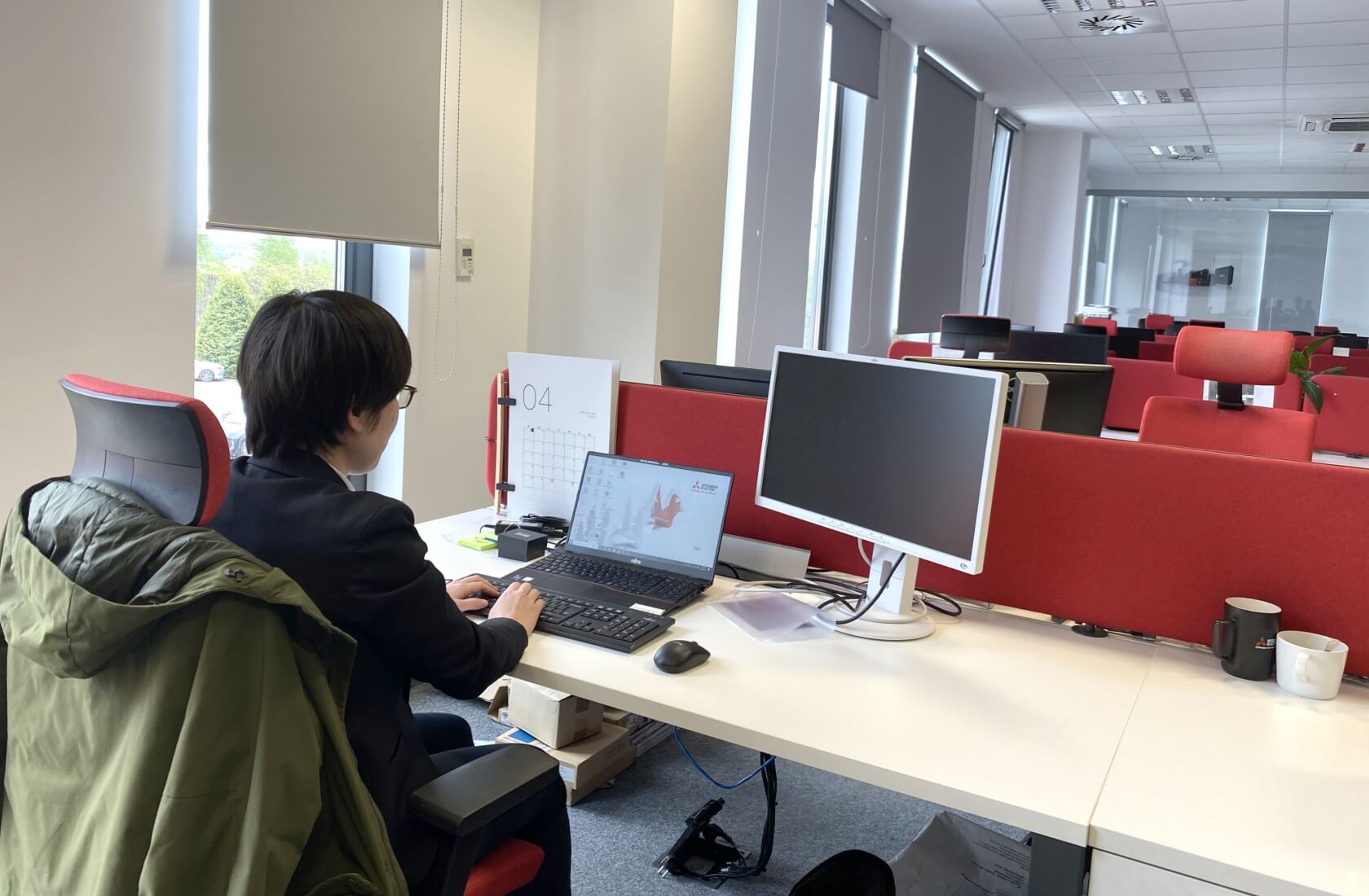
At MEU-PL, I am in charge of technical support for servo systems and researching European market needs and technology trends. I respond to queries from local colleagues by cooperating and coordinating with both the Japan and Poland side, making use of my specialist knowledge.
MEU-PL functions as a hub for Central Eastern Europe (CEE). The Factory Automation (FA) Department covers some fifteen countries using a colorful patchwork of languages and currencies. I often drive on business trips to countries in the Schengen Area, which can mean travel times of 6 or 7 hours each way. Despite the diversity of language, I was surprised to discover that speakers of different languages belonging to the same language family can sometimes converse to a certain degree. I have learned how different countries view Japan and our company, and I find it both challenging and enjoyable to engage with life and work while personally experiencing the many differences in national character and approaches to interpersonal relationships.
Choosing the right workstyle and pursuing lively communication
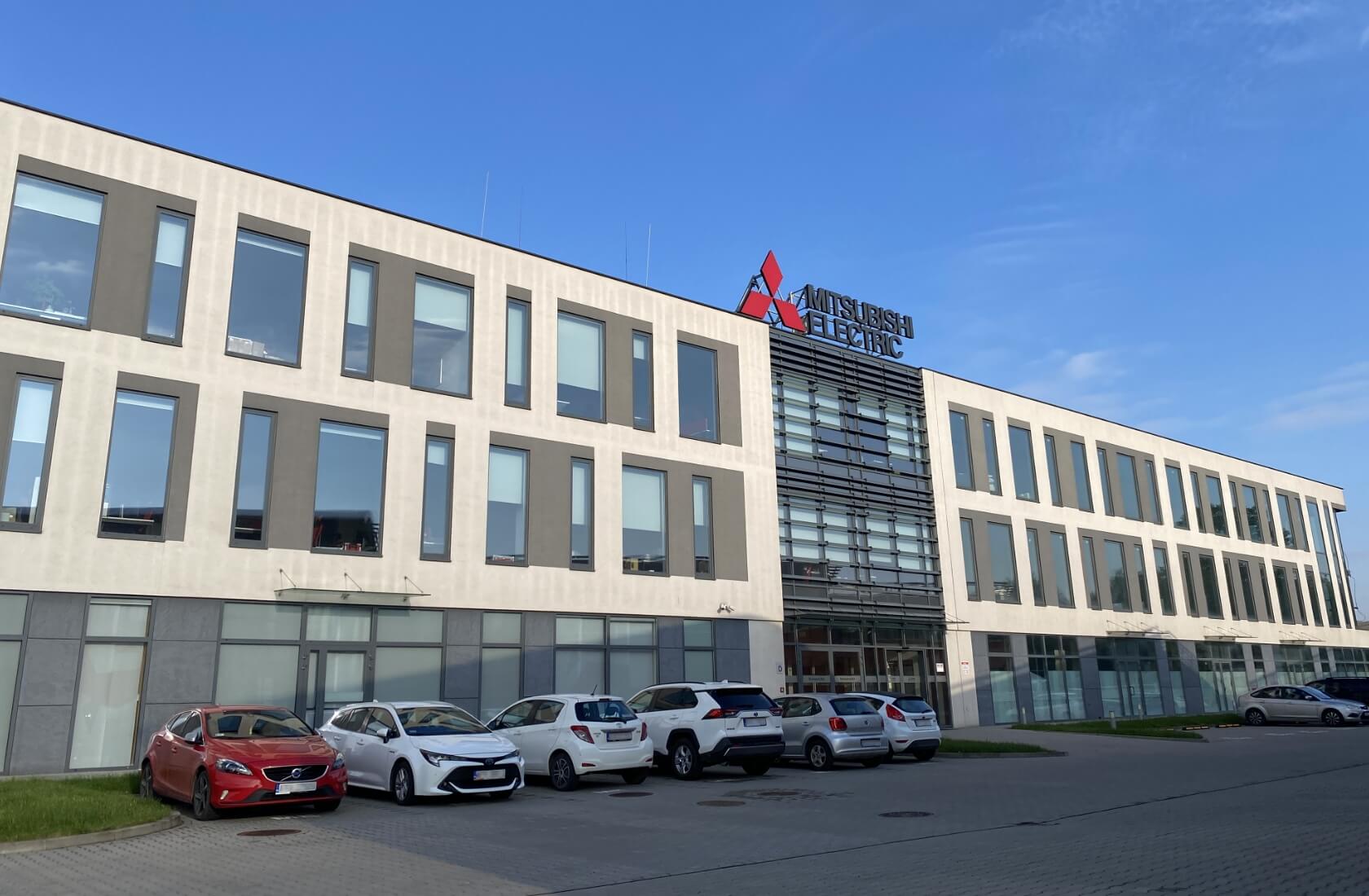
MEU-PL’s Balice Office is located behind Kraków Airport. Along with the FA Department where I work, the office is home to the Living Environment & Digital Media Equipment Group, Human Resources, Accounting, and other functions. It is also the site of our European FA Center, and supports Japanese corporate users in Europe as well.
Work hours are 8:00 AM to 4:00 PM. Working from home is more common now due to the COVID-19 Pandemic, and Poland’s labor laws have been revised so that now workers can choose between "office-centric" or "home-centric" work styles. Employees who choose to work from home basically do not come into the office. Those who choose to work at the office can still request permission to work from home on occasion when necessary.
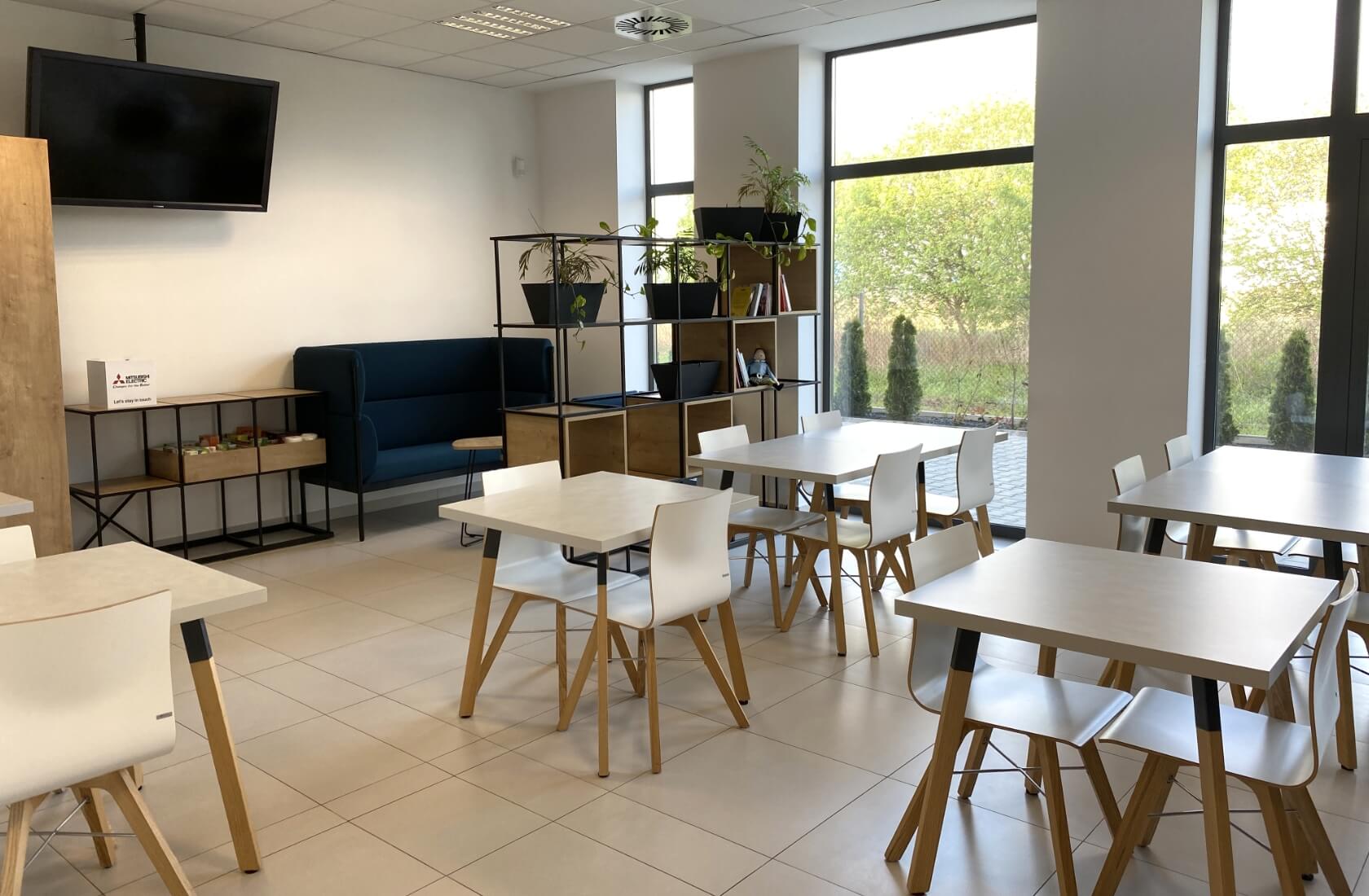
When I arrive in the morning, I greet everyone with a "Cześć" (Hello) and a handshake. After chatting over coffee or tea in the canteen, I get started on work. It’s normal to see people talking over coffee after meetings and during breaks about work and other things. I often feel that my colleagues here value communicating with each other through conversation more than we do in Japan. People have told me, "We’re always open to anything, so if you have any questions, discussion points, or even negative opinions, please actively share them," so whenever I don’t understand or struggle with something, I discuss it with them.
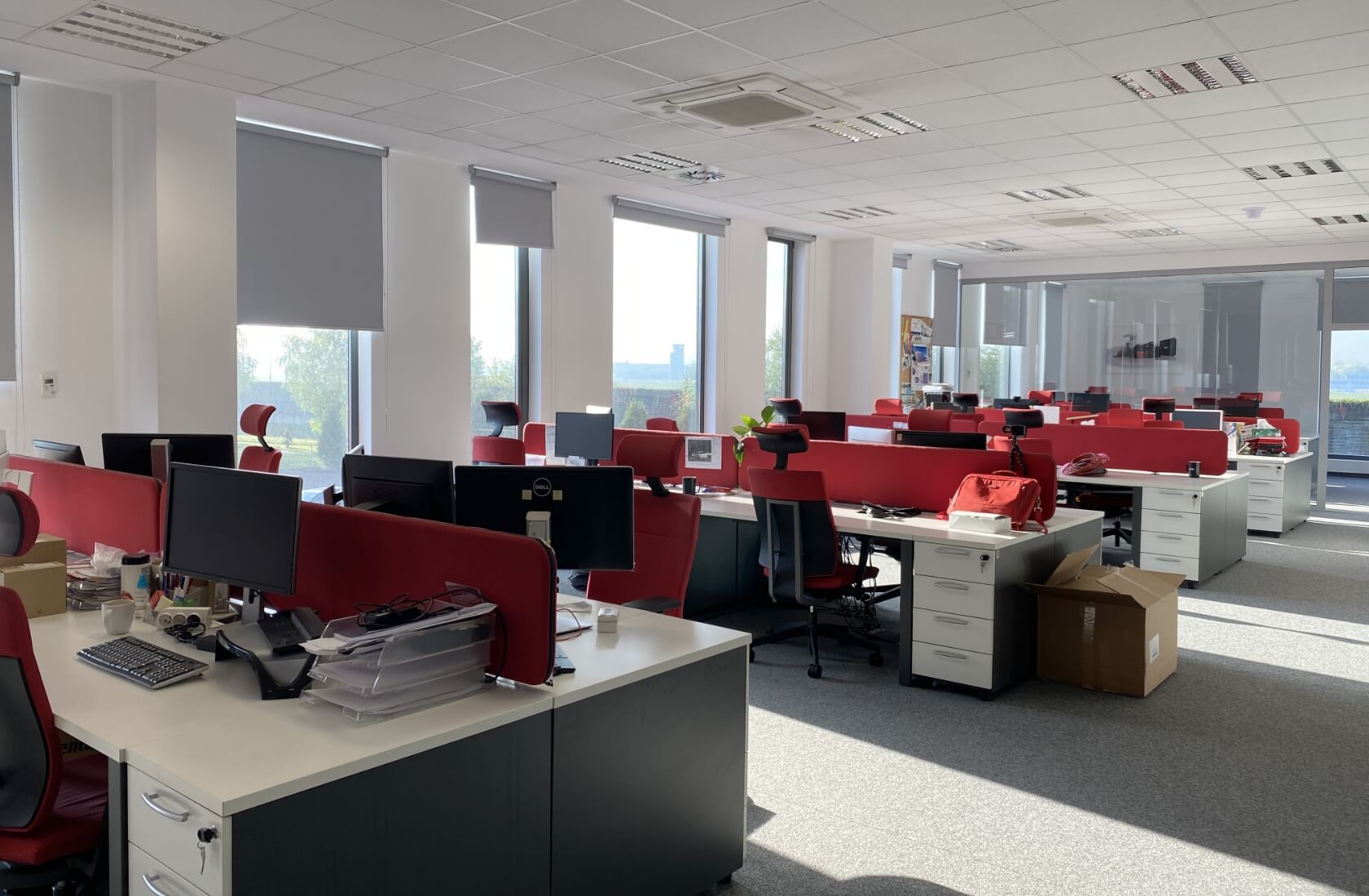
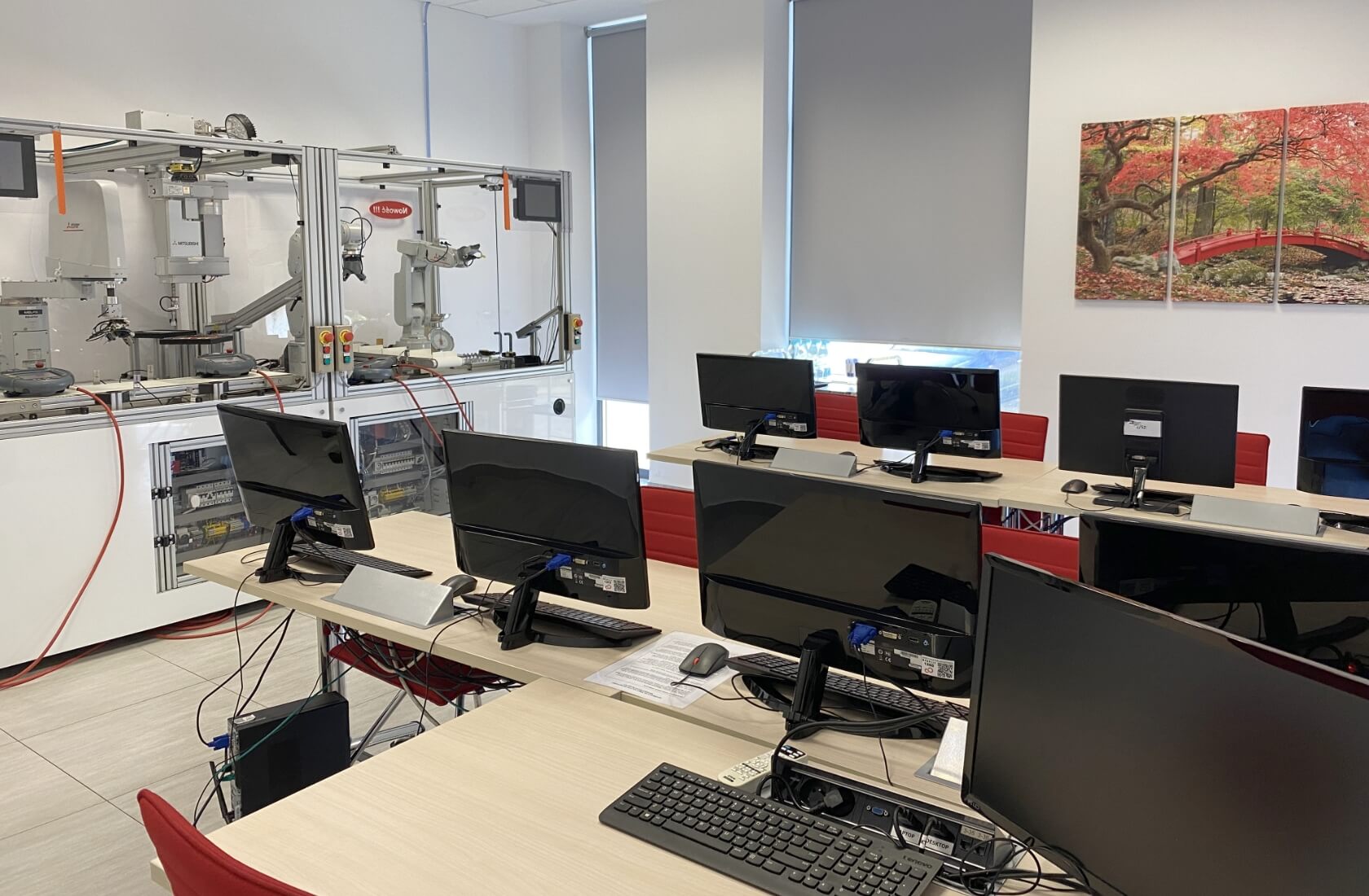
My assignment is to the FA Marketing & Technical Sales Support (MTS) department, and I have a wide range of duties including product marketing, technical proposals, technical support, and training. We have demonstration models of all the devices and training rooms for use by sales representatives, users, and colleagues. Our support offerings are extensive and include remote training and video courses as well. We often work on projects with customers for extended periods, which results in palpably close relationships and lively communication.
Everyday discoveries and words that inspire warmth
Here I’d like to introduce my basic schedule, from waking in the morning to going to bed at night.
Daily Schedule
6:30 AM
Wake up
I commute to work by car every morning. The drive from my home to the office takes about thirty minutes.
7:40 AM
Arrive at work
MEU-PL’s work hours are 8:00 AM to 4:00 PM. Getting caught up in a traffic jam can extend my commute to almost an hour, so I usually go early and do things like checking email, preparing documents, and writing reports for Japan. Poland’s time zone is 7 or 8 hours behind Japan’s, so meetings and inquiries involving Japan are usually scheduled for the morning. I also have a weekly meeting to share my progress with other members.
MEU-PL has no employee cafeteria, so food trucks selling light meals and packed lunches come by in the mornings. These trucks are where I usually buy my lunch. They sell Polish cuisine, of course, but sometimes also sushi, udon, and soba. Sometimes I go to a restaurant instead.
4:00 PM
Leave work
Poland’s afternoon commuter traffic starts at around 3:30 PM, so there are frequent traffic jams.
5:30 PM
Language school
After work I study English and Polish, with two lessons per week for each language. My English lessons are taught online by a native speaker. For Polish, I go to school and take group lessons. Polish is very difficult, with complex grammar and many sounds not in Japanese at all. Most people understand English at work, restaurants, and elsewhere, so not knowing Polish is seldom a problem in everyday life—but people seem to respond more warmly when you say things in Polish, even if you only know a few words.
7:00 PM
Arrive home
After my language lessons are over, I usually have dinner and relax.
11:00 PM
Bedtime
This concludes my basic daily schedule.
Next, I’d like to talk a little about how I spend my days off.
On weekends, I play tennis in a group with other people stationed here by Japanese corporations. The lack of exercise was starting to worry me, so I was very grateful to find this way to keep active with the local Japanese community. When I had just arrived in Poland, I spent every weekend visiting sightseeing spots in Kraków, including the Wawel Royal Castle, the Kazimierz district, and all kinds of museums. I also visited the Old Town and the Warsaw Rising Museum in Warsaw, the nation’s capital.
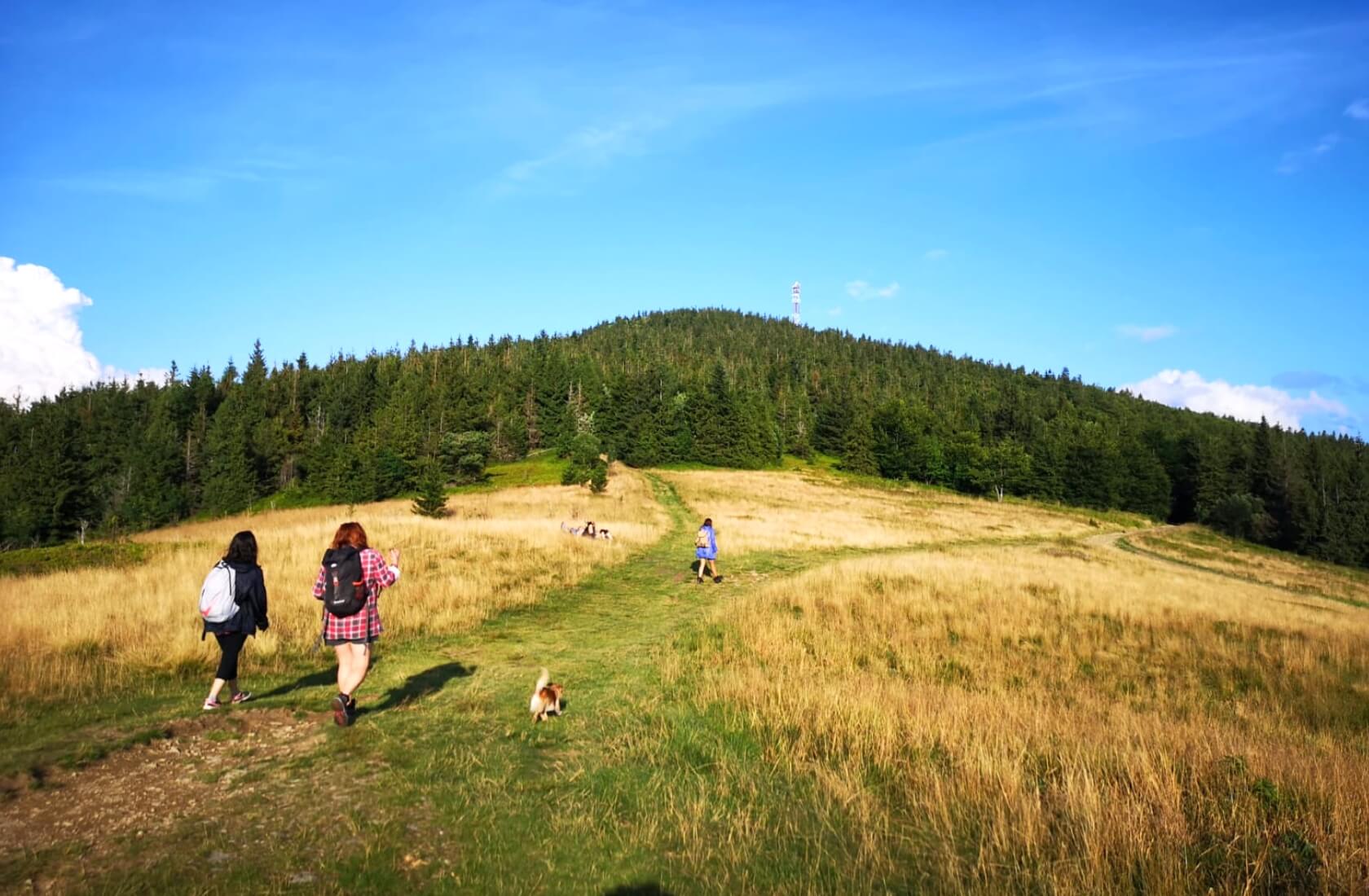
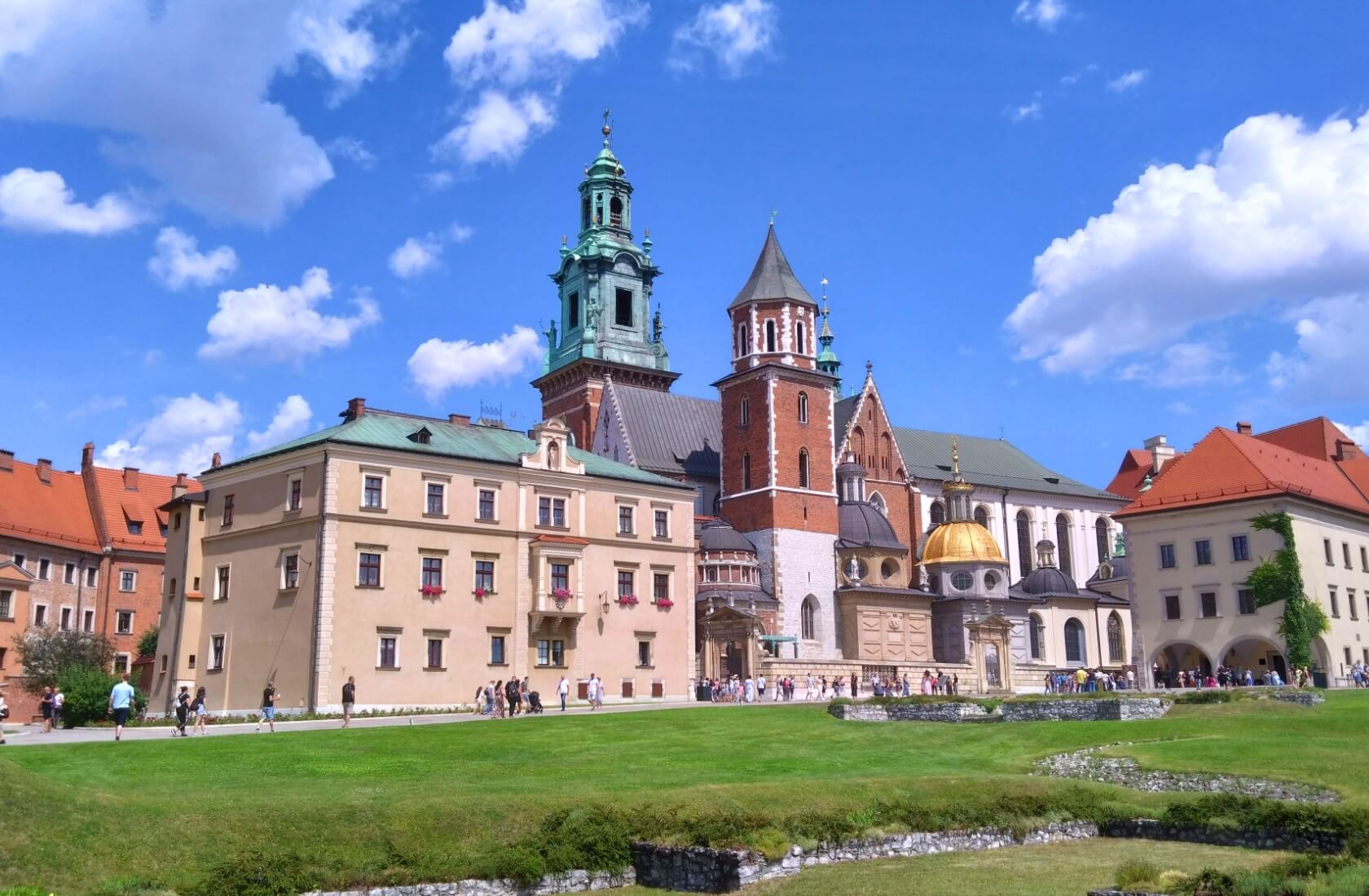
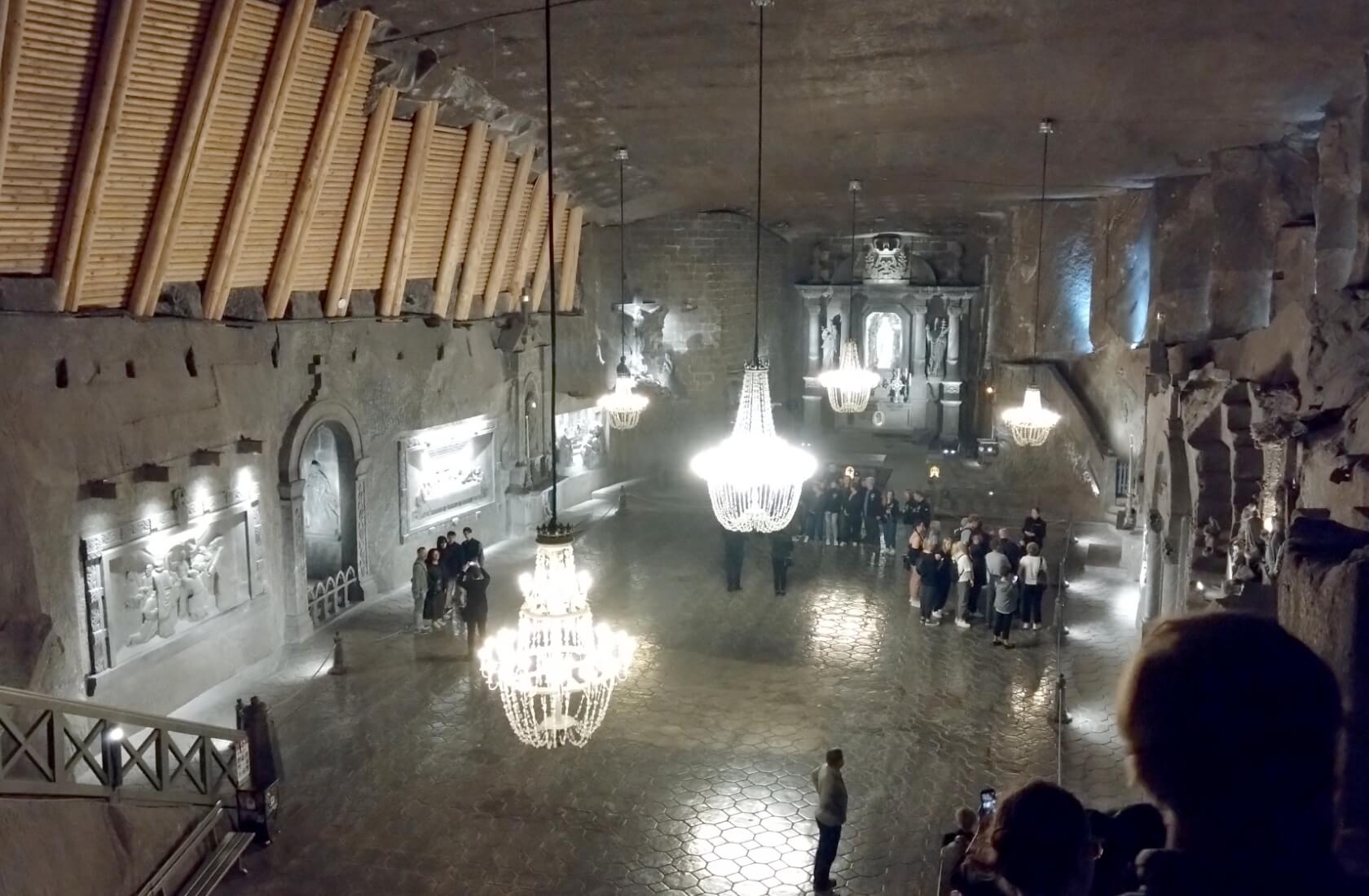
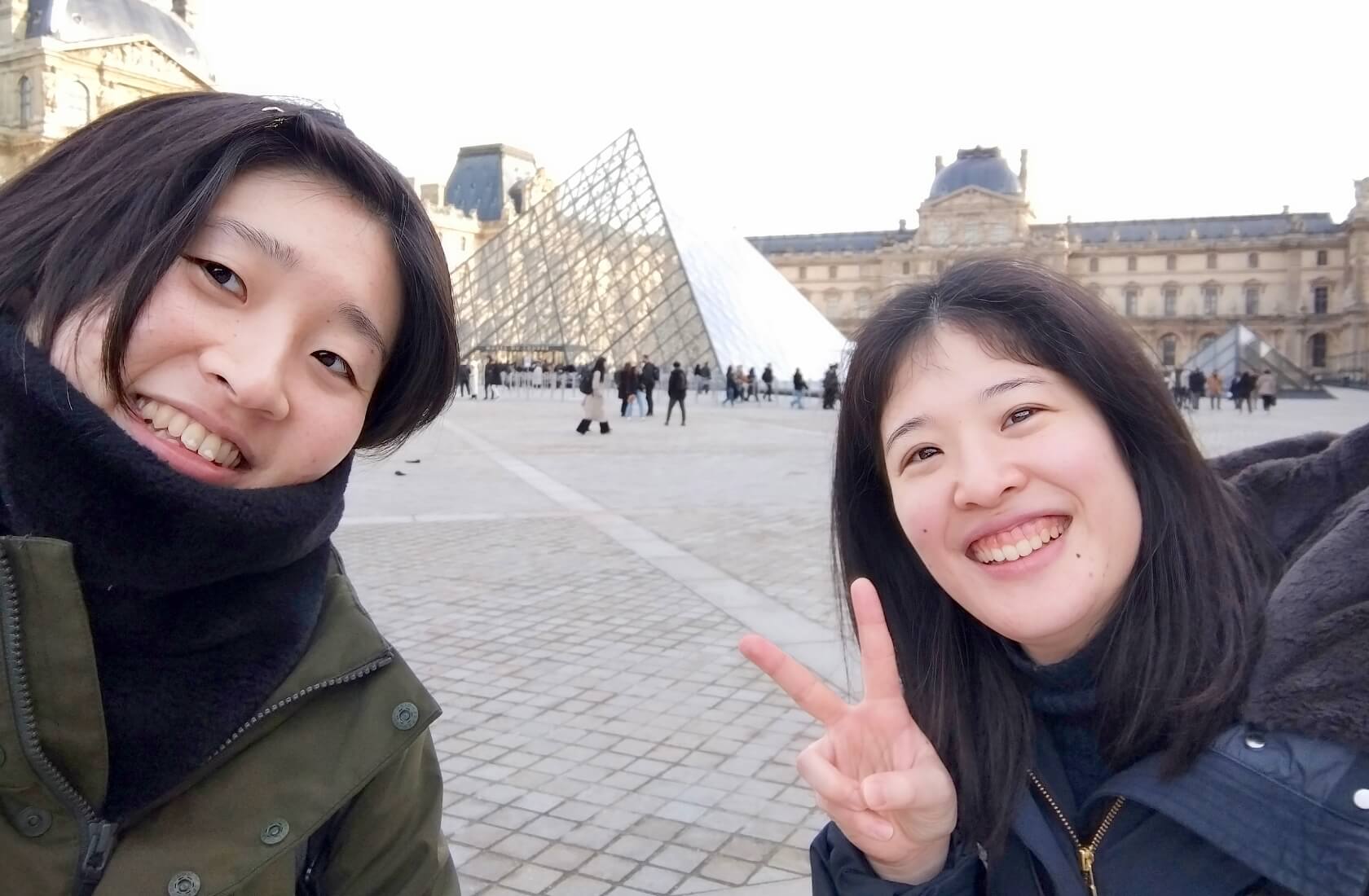
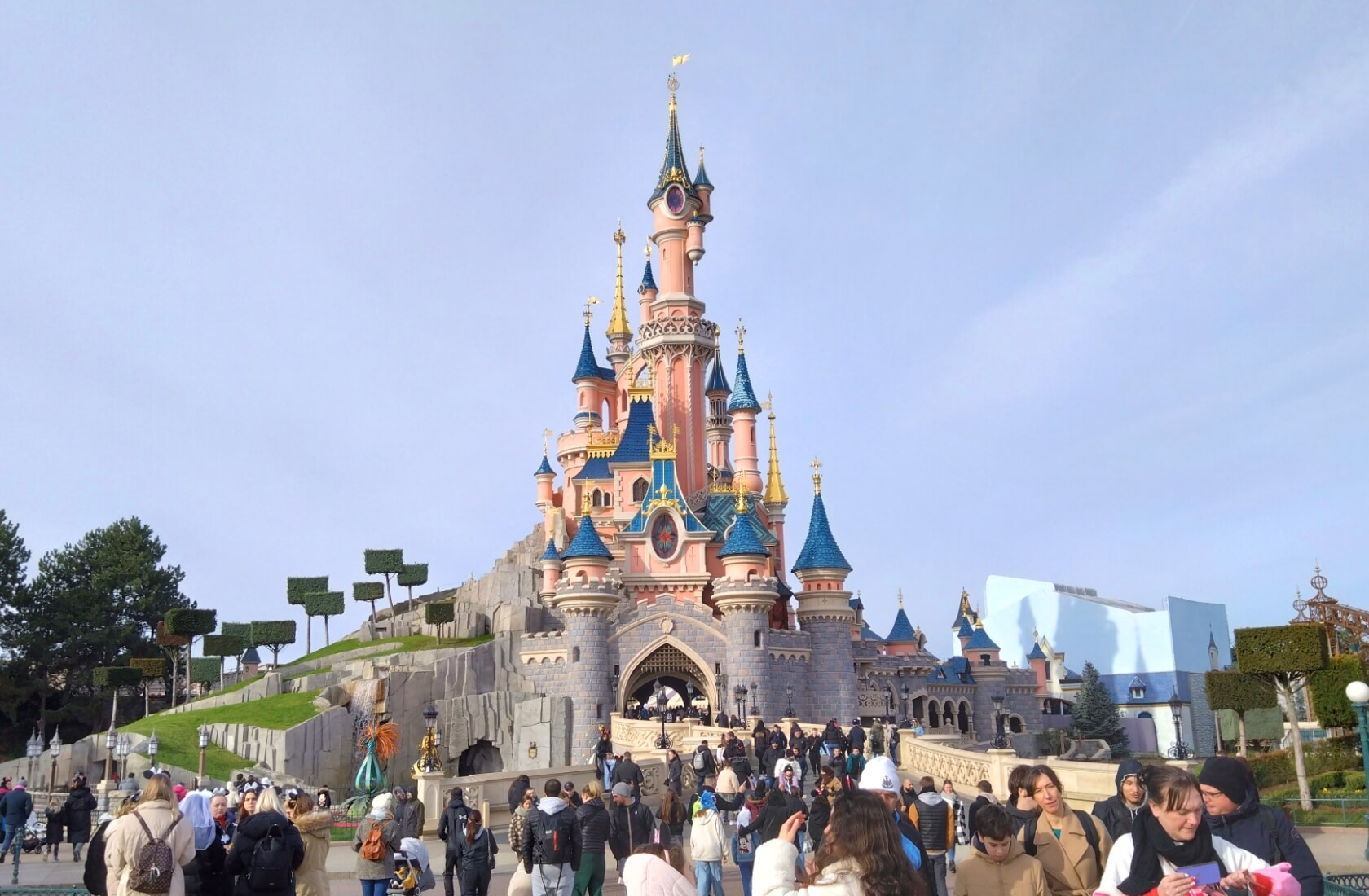
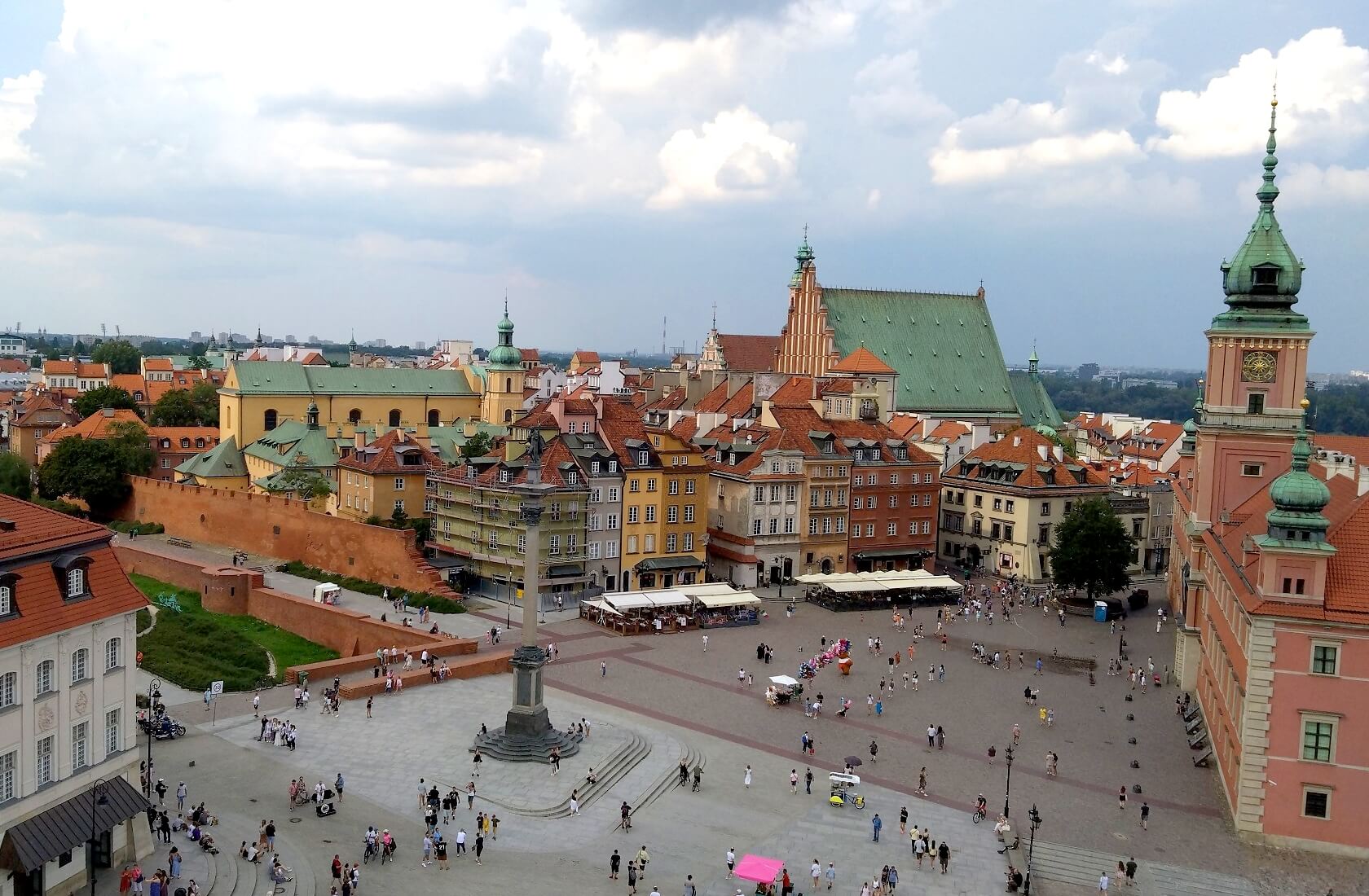

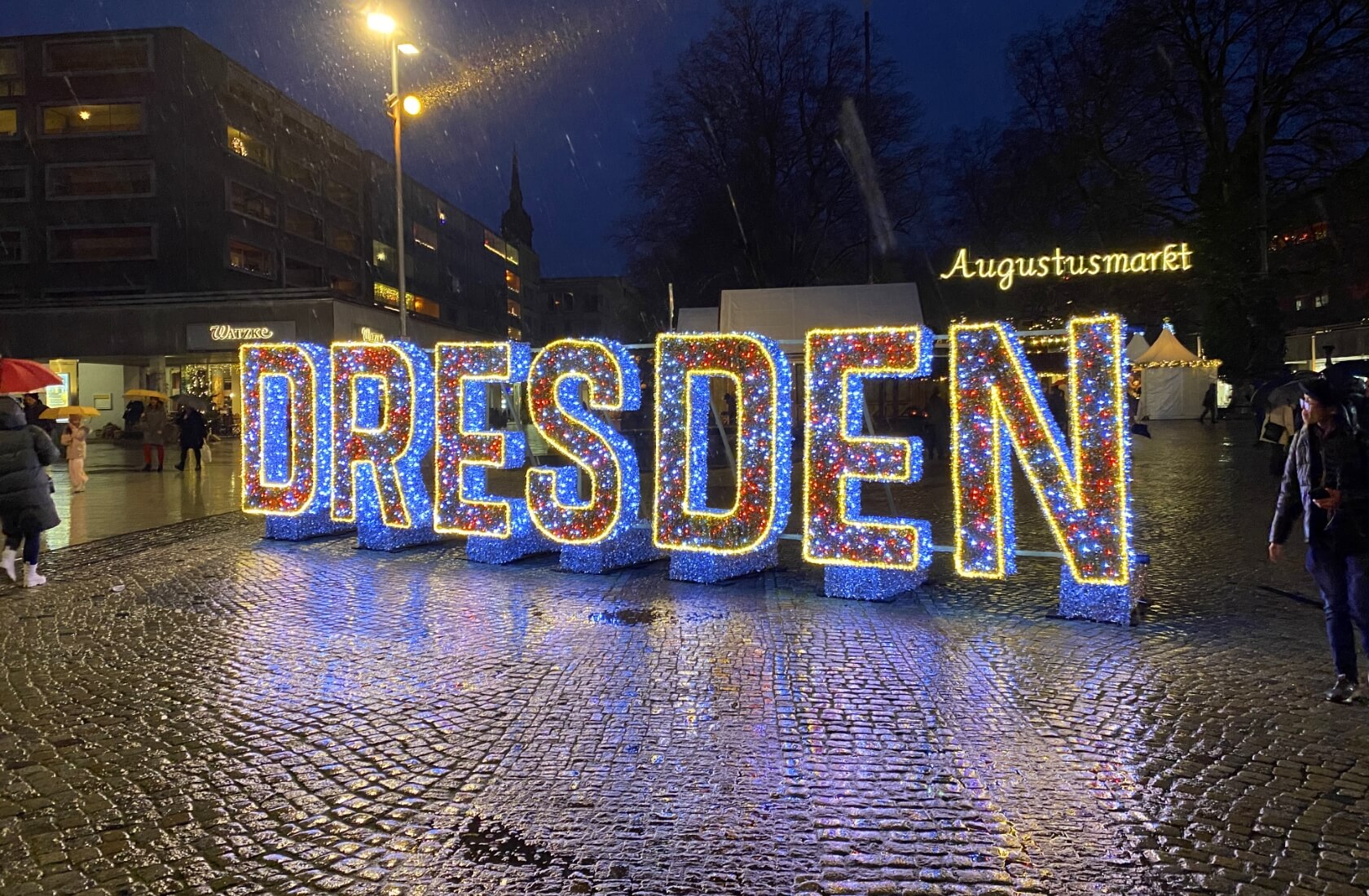
On public holidays and longer vacations, I venture a little further afield. During Christmas season in particular, I went to the Christmas markets in Wrocław, the largest in Poland, and Dresden, said to be the oldest in the world. There are many Christmas markets in Japan, too, but the scale here in the home of the original is completely different. There is free movement between countries in the Schengen Area, with no passport controls, so visiting countries outside Poland is easy.
Understanding and respecting differences leads to growth
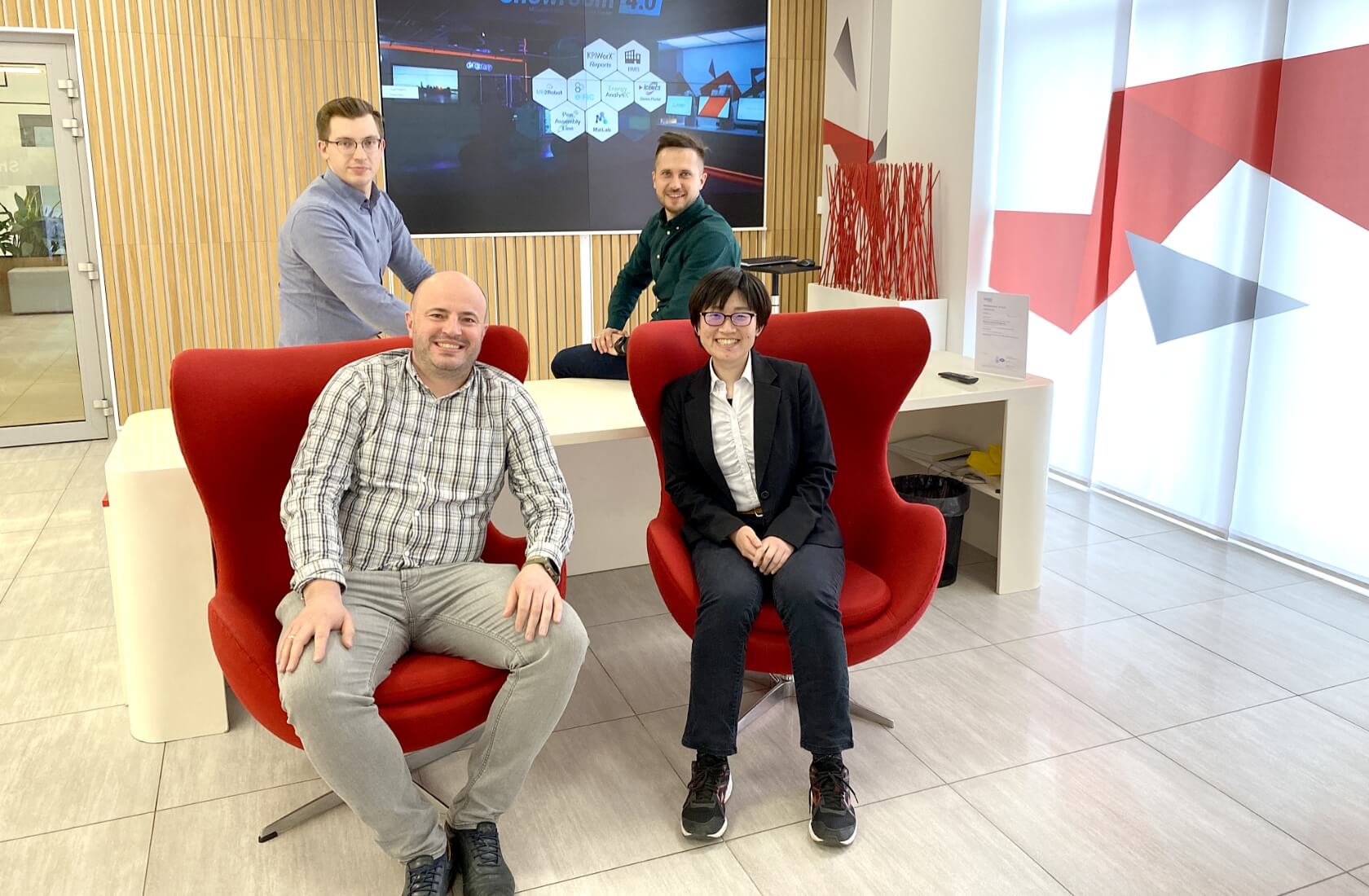
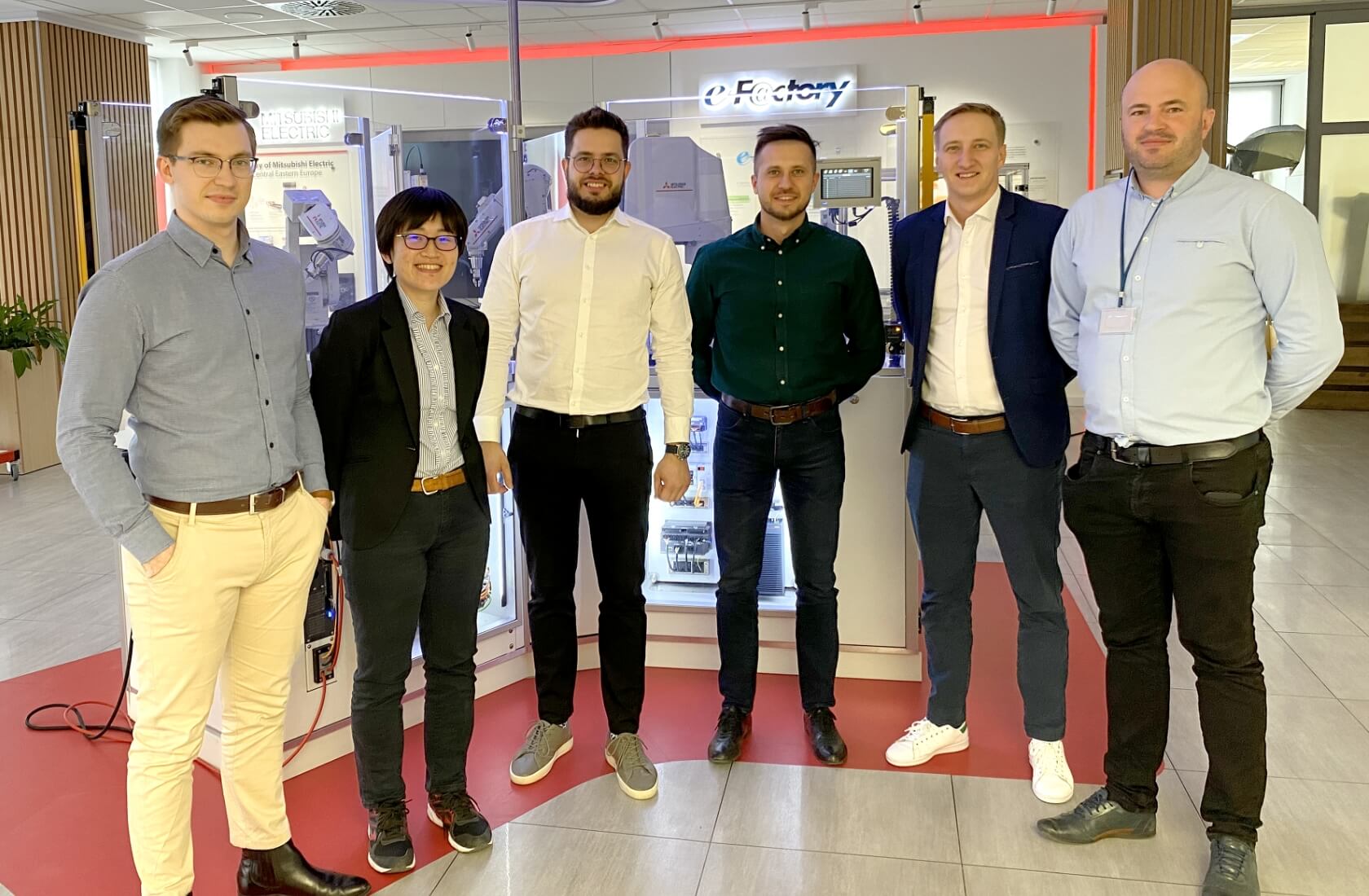
When it was decided that I would live in Poland for a year on the OJT Global Trainee Program, my main concern was language. I was very worried about whether I could perform my duties in English. But when I actually arrived in Poland, I found that English was a second language for most of my colleagues, too. They were non-native speakers like me, so even if we made mistakes while speaking, there was a general willingness to take the time to make sure we understood each other. Above all, ongoing, open communication is vital, and I believe my placement changed how I communicate with those around me. Also, living overseas and personally encountering a wide range of differences in culture and communication has broadened my horizons. I am aware now that many things are not readily apparent from the Japanese perspective, and I feel that making these visible and conveying them to Japan is an important task and part of my mission.
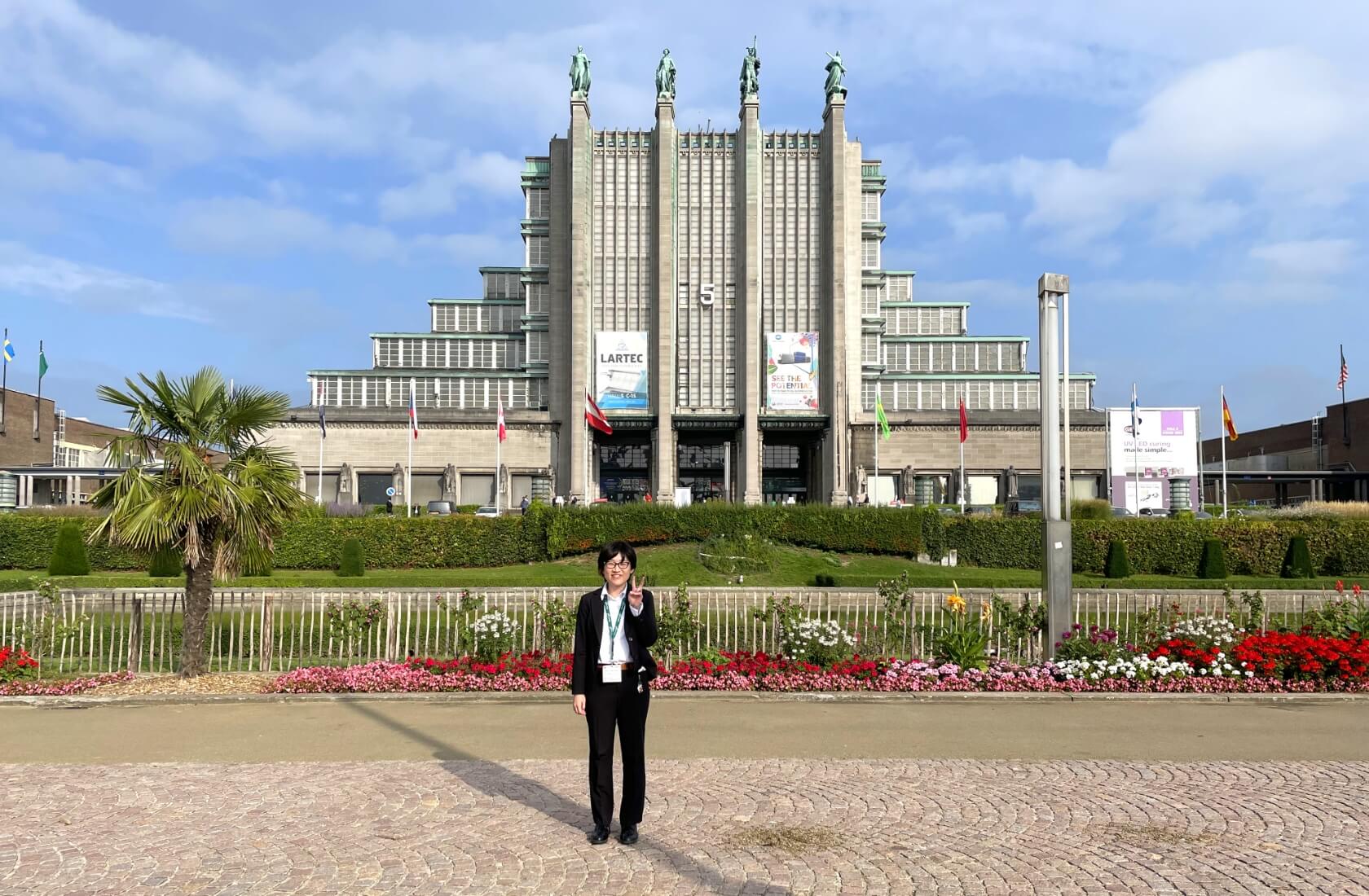
If globalization continues in the future, there will be more opportunities to communicate with overseas parties. Understanding and respecting differences in national character and establishing mutual trust are vital to keep things running smoothly at work, and I believe that remaining of that will be key to personal growth.
I hope this blog post has helped you form some idea of what it’s like to work overseas, and perhaps even made you want to give it a try for yourself.
PROFILE
Mitsubishi Electric Europe B.V. Polish Branch
Kana Kuniyasu
I am in charge of customer support for the CEE market and researching European servo market needs and technology trends.
2015
Joined Nagoya Works, Mitsubishi Electric. Assigned to Drive Systems Applied Technology Section, Drive Systems Department
2018
Assigned to Drive Systems Applied technology Section 1, Drive Systems Department, Nagoya Works
2022
Assigned to Drive Systems Software Development Section, Drive Systems Department, Nagoya Works
2023
Assigned to current post