2023.12.01
The modern engineer - an awarded welder. His motivation for work and developing the next generation.
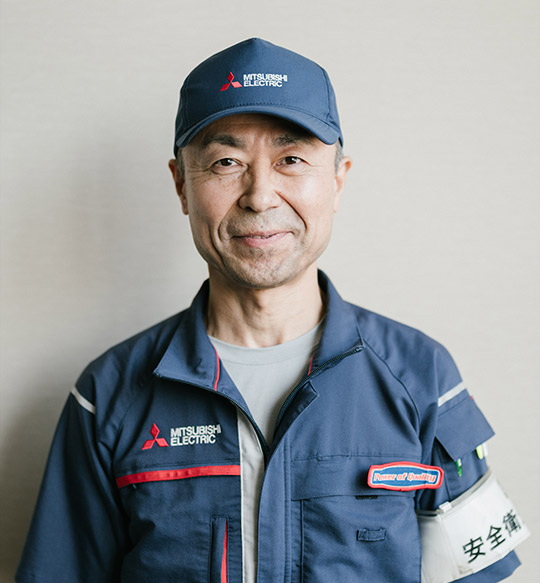
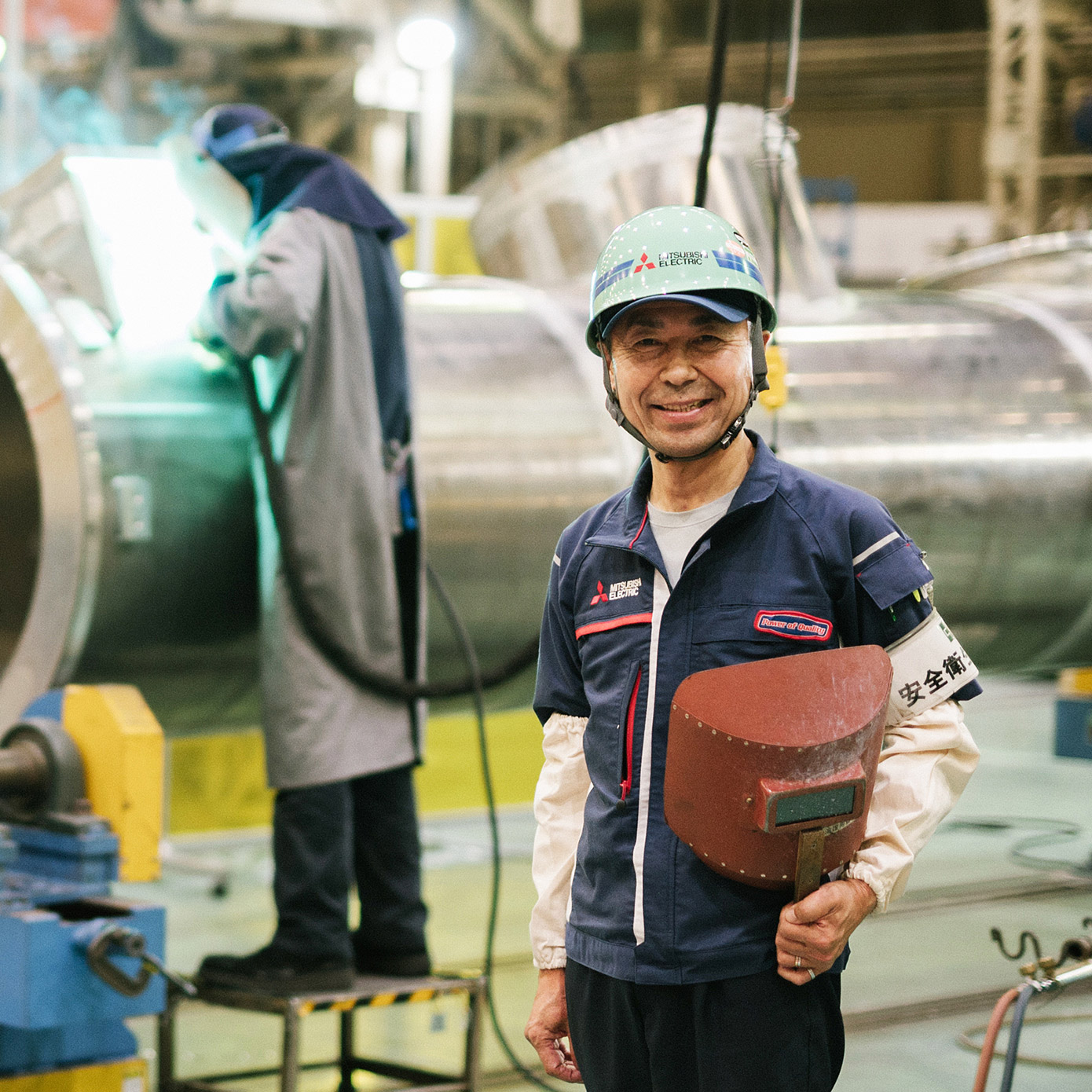
Weld: to join two metal pieces by melting them. It may sound simple, but this is the world where a 0.1mm difference, and the accurate technique to control micros, matter. Masami Yamada is an expert in this field, and was awarded the Medal with Yellow Ribbon in 2021. How did he gain such techniques that everyone acknowledges, and how did he adapt to changes in society and time?
Contents
The fortunate introduction to welding, which he loves, right after joining Mitsubishi Electric.
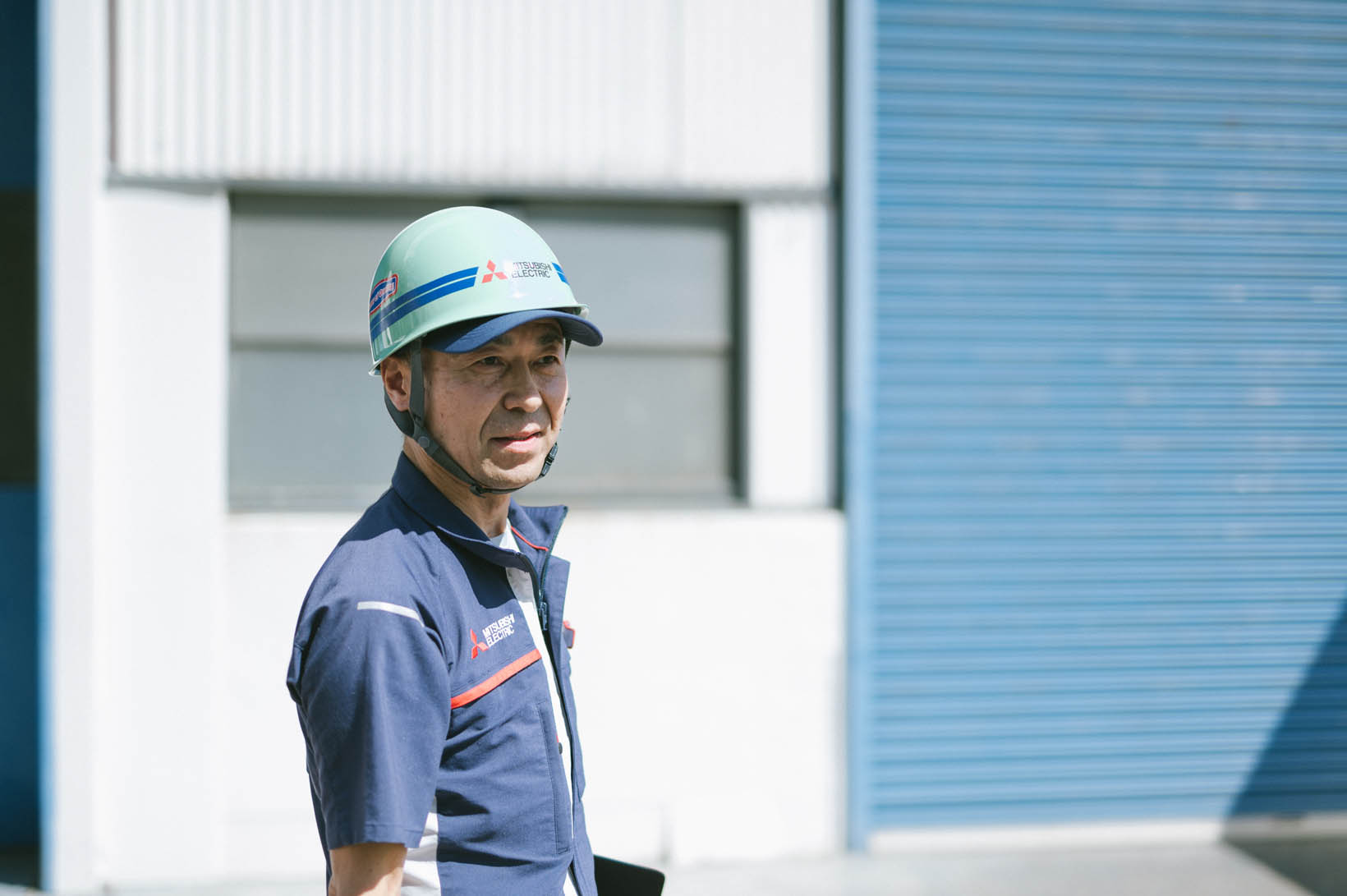
Walking around the factories, I was surprised to see that so many interact with Mr. Yamada by sharing some jokes, or asking him for some advice.
They all count on him as everyone’s ‘Uncle.’ That makes sense; he is one of the best in the company, with all the experience, knowledge, and techniques needed for work. When did he start his life as an engineer?
‘I entered the vocational school of Mitsubishi Electric after middle school. By middle school, I knew I was quite good with my hands, and I wanted to be a maker of something in the future. I thought about being a carpenter, but my parents wanted me to enter a big company and have a stable life. Then I chose Mitsubishi Electric.
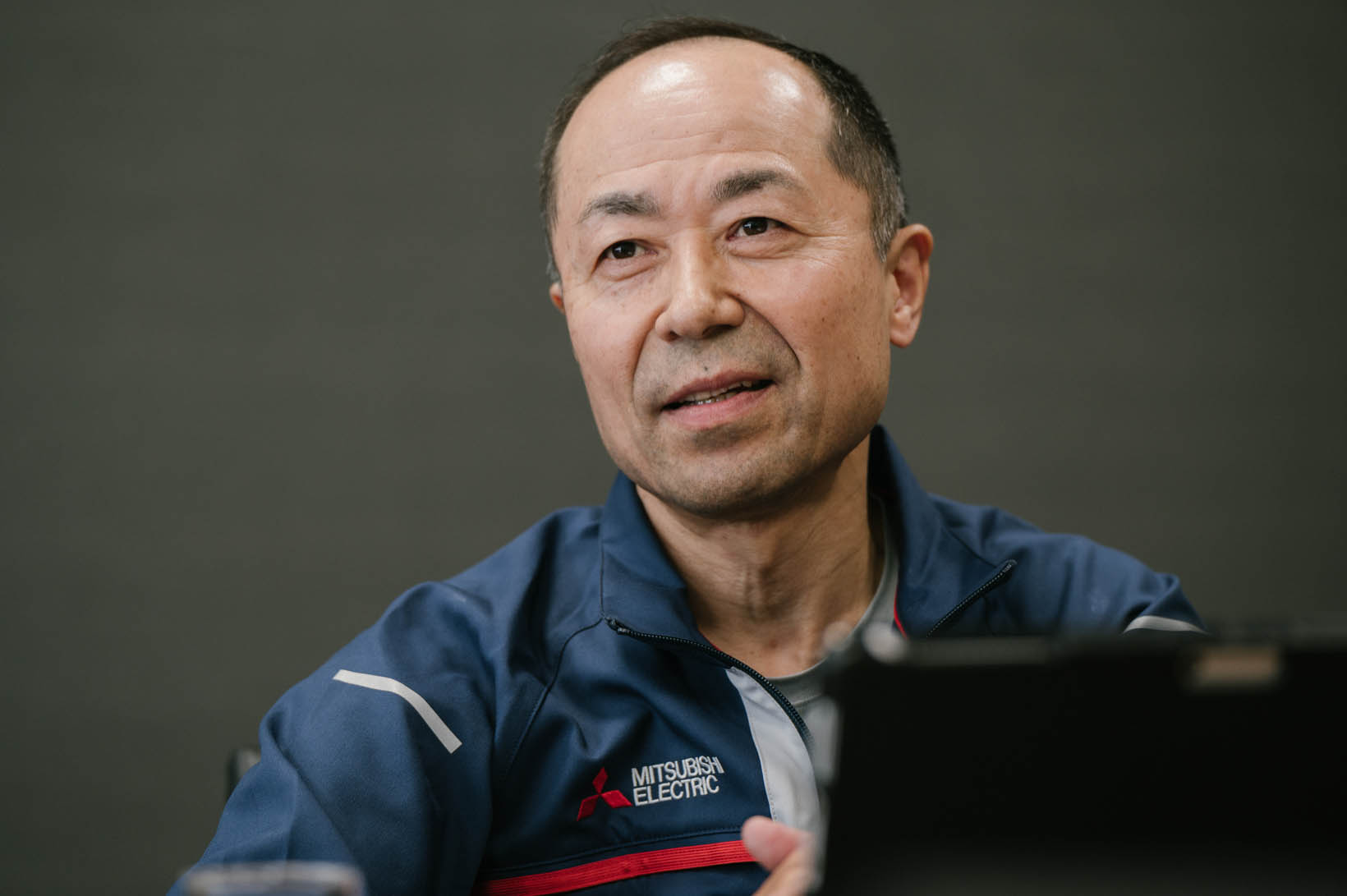
He entered Mitsubishi Electric in 1979. During the era of seniority and lifetime employment, he chose Mitsubishi Electric as a stable career path, then he fell in love with welding.
‘After the basic course of each job, they ask us which we liked. I didn’t like a trig function or calculations, and machining was not for me. Ironwork, neither - to hammer, too tiring. Among all those works, welding was so exciting. The more I worked, the better I got, and the more interesting it became to me. I’d do it all day long. Looking back on those days, I felt it was interesting, so I was able to make all those achievements I guess.’
The setback at the WorldSkills Competition, and the power to get over it
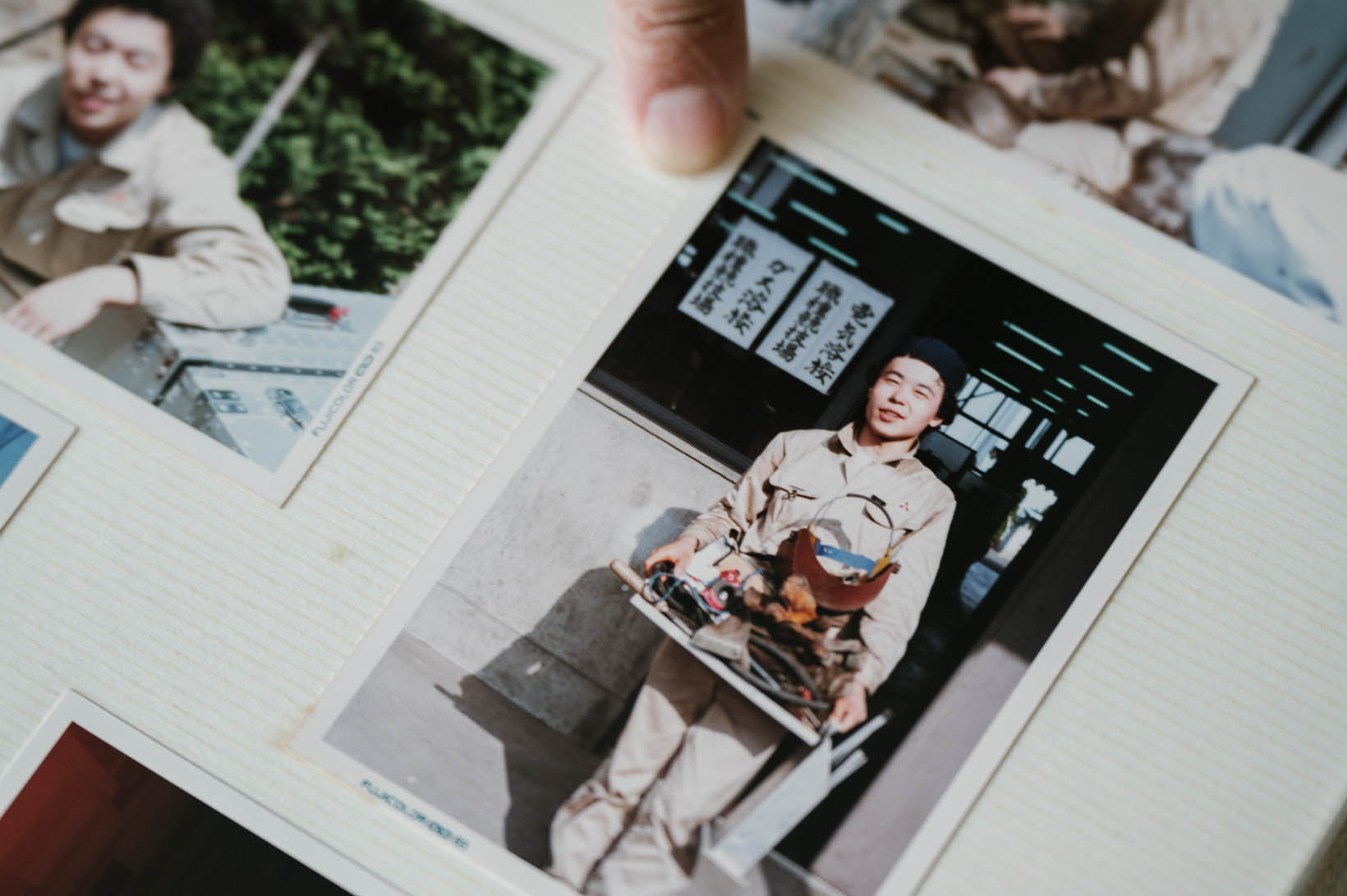 Mr. Yamada carrying his tools and works after the WorldSkills Competition
As he learned welding at a vocational school, he started to think about the WorldSkills Competition. But that’s when he experienced a setback.
‘To make a good result at the competition was my first goal. But I couldn’t do any good in the first year. So I really wanted to be the best during the second year, or, I decided I’d quit Mitsubishi Electric and go back to my hometown.’
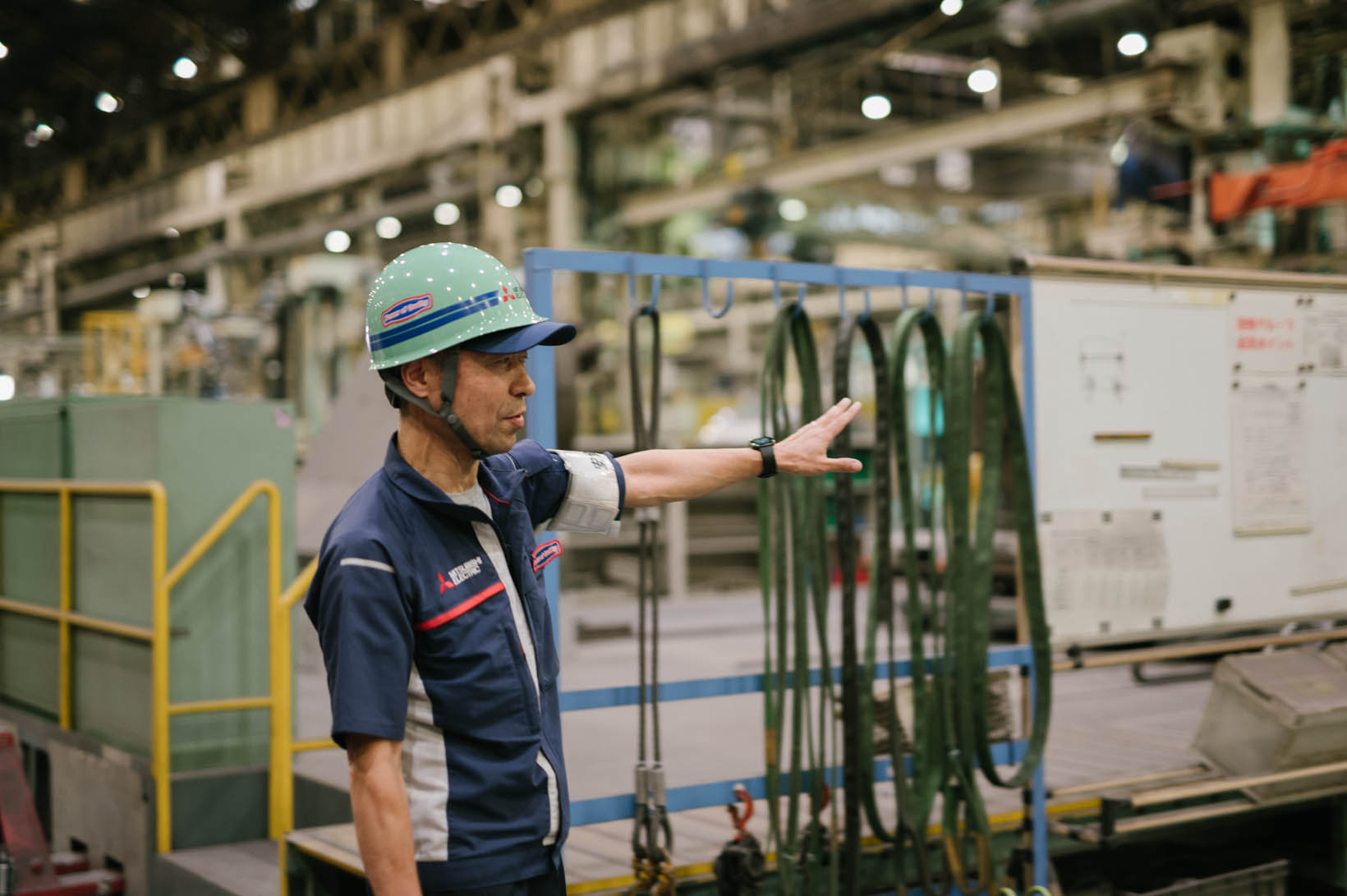
His devotion, almost like an obsession, made his dream come true, and he won first place in the second year and made his way to the world championship. What was different from the first year: did he change the training, or just practice more? What made the difference?
‘The heart. You can mostly improve your skills in a year. But welding is like one chance. You can’t redo it. You need to do it right, from beginning to end; and there's a fine line between success and failure. I’m not superstitious, but I have always thought about being the best person I could be. Like when people are waiting to cross the street - I don't want to be the last one to reach the other side. At work, and in private, I have just tried to be the best that I can possibly be at all times.
What supported his work for 25 years
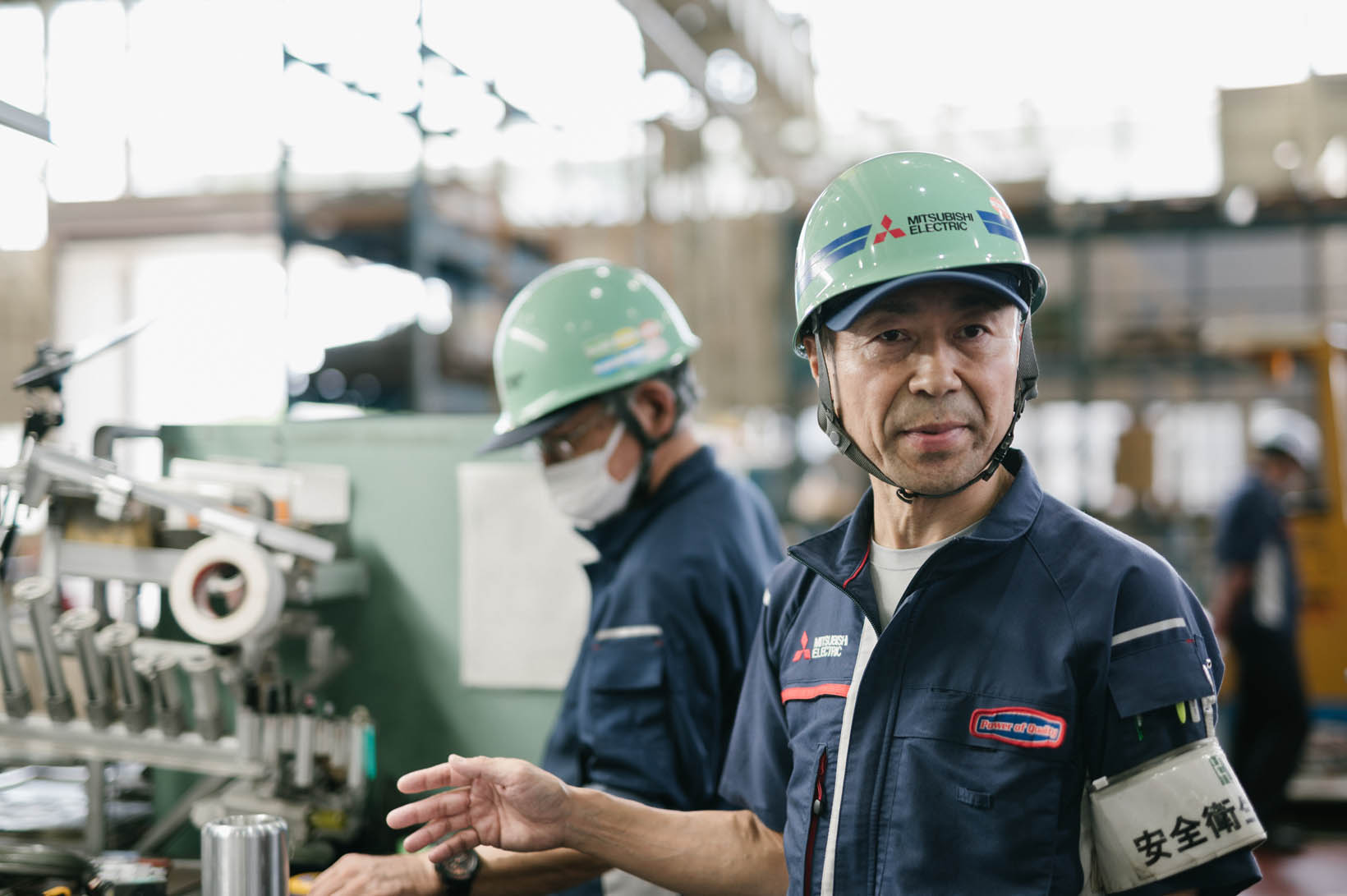
Mr. Yamada was deployed after graduating from vocational school - he started training for the WorldSkills Competition for 2 years, and he scored well at the world championship. Then he started actual tasks in the workplace, but he couldn’t apply his world skills right away to his job - the workplace had their own way to do jobs.
‘Engineers on-site were all so good; I - the champion of WorldSkills - couldn’t just start making things from the first day. I saw senior engineers’ works, copied how they did it, got some lectures, studied, and built up my own skills. But fortunately I had basic skills, thanks to the competition… it didn’t take long to learn the other things needed. Then engineers started seeing me as one of them - we hung out, and it was fun.’
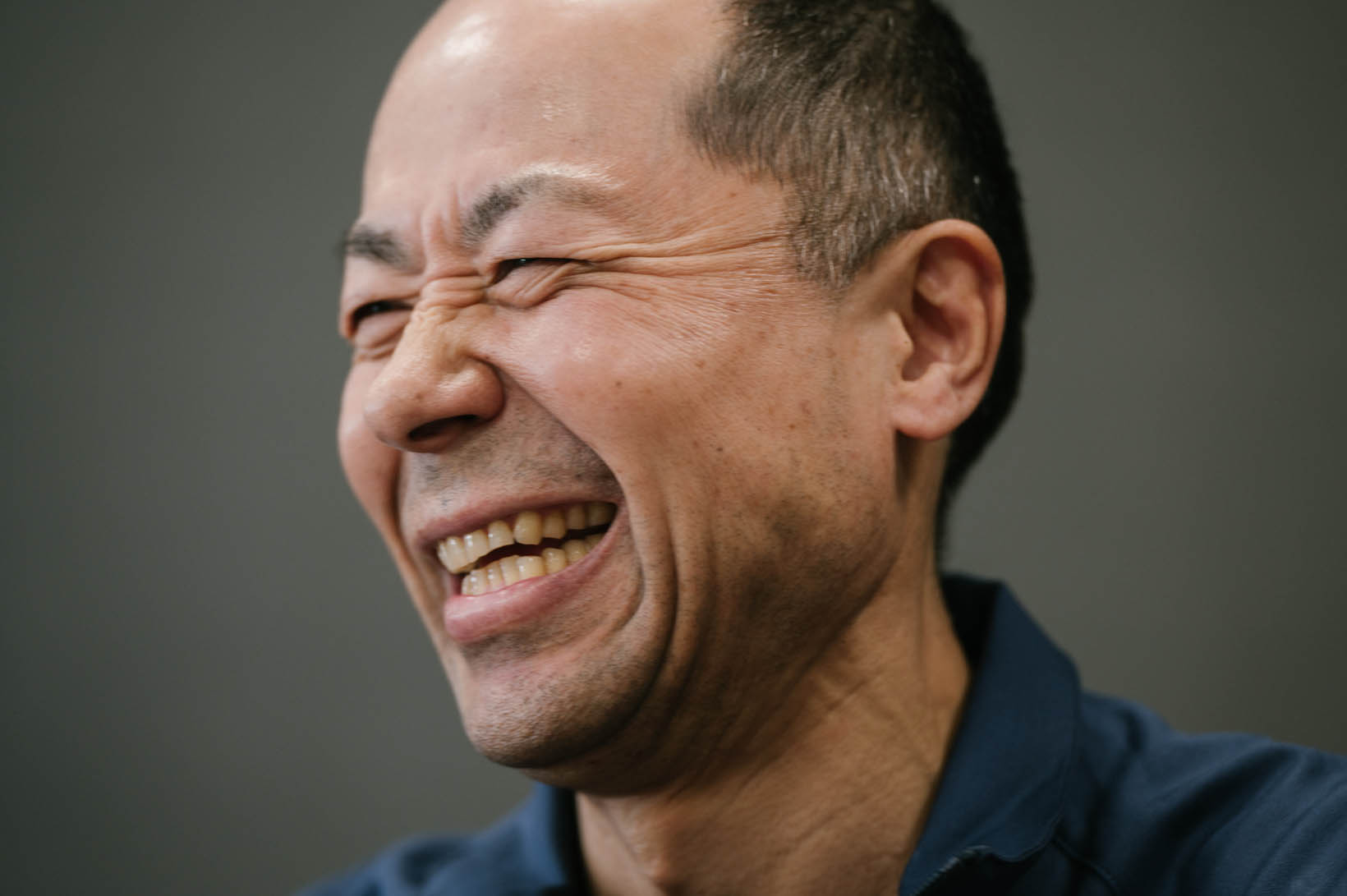
He worked for 25 years on-site. What did he have on his mind all through those years?
‘As I said, my work was nothing but fun. I’m often asked what trouble or difficulty I had, but I don’t remember having a tough time; I just enjoyed my work. How I could do my work better - that was all that was on my mind. I’m still eager to weld… it’s so exciting.’
Surprising transfer to the quality control department
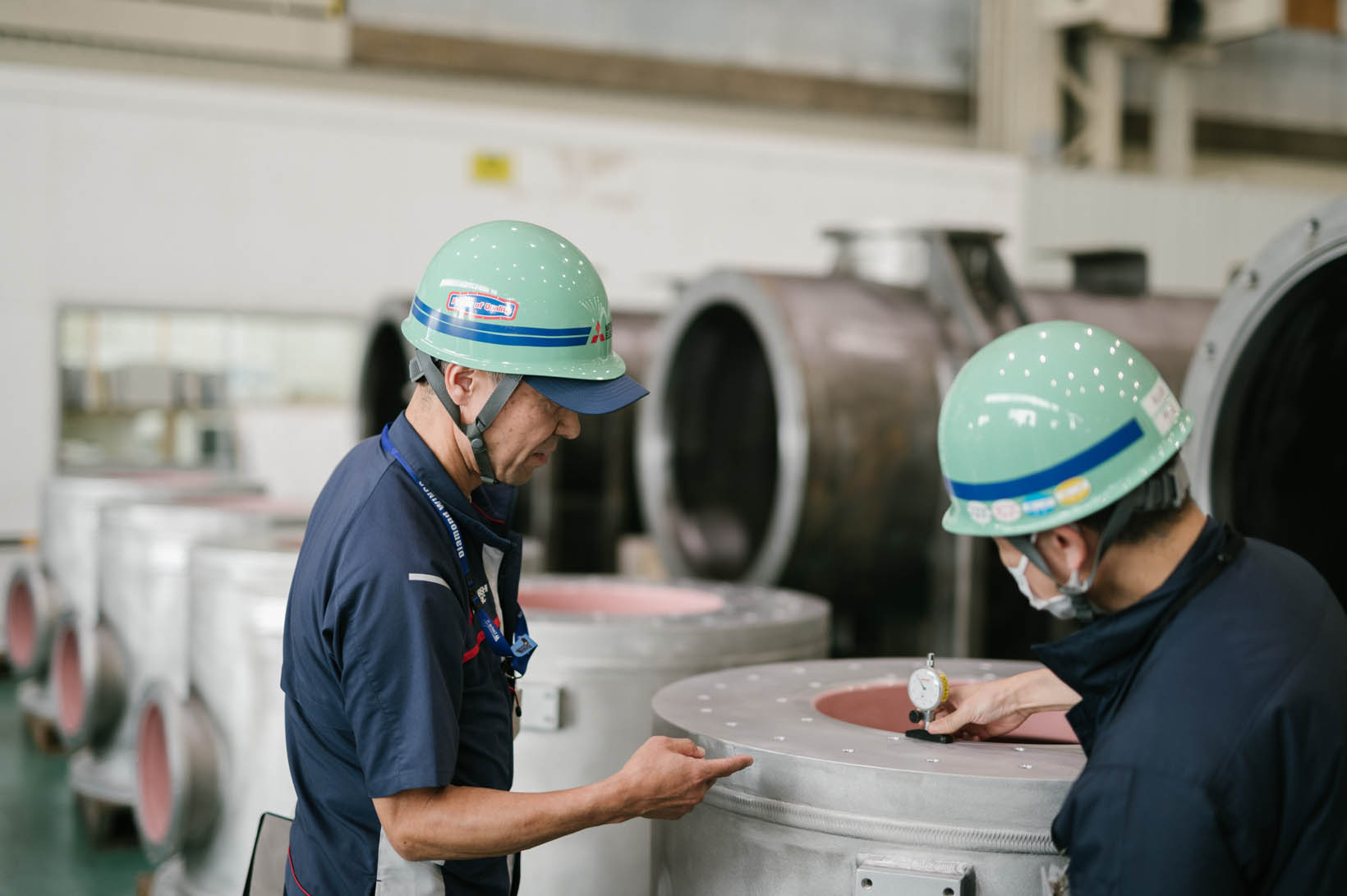
An expert welder who had dedicated his life to his work, a career change time came to him when he was in his 40s - 25 years after he had started working. A transfer offer to the quality control department was sent to Mr. Yamada, who had been planning to spend his whole life as an engineer.
‘I even thought about quitting the company. What quality control does is check the products which engineers have made, and point out flaws when needed. When I was making products, I had pride that I was not going to let anyone complain about my work; so being on the judge’s side, I knew it would make engineers feel bad. It was not an interesting job for me.’
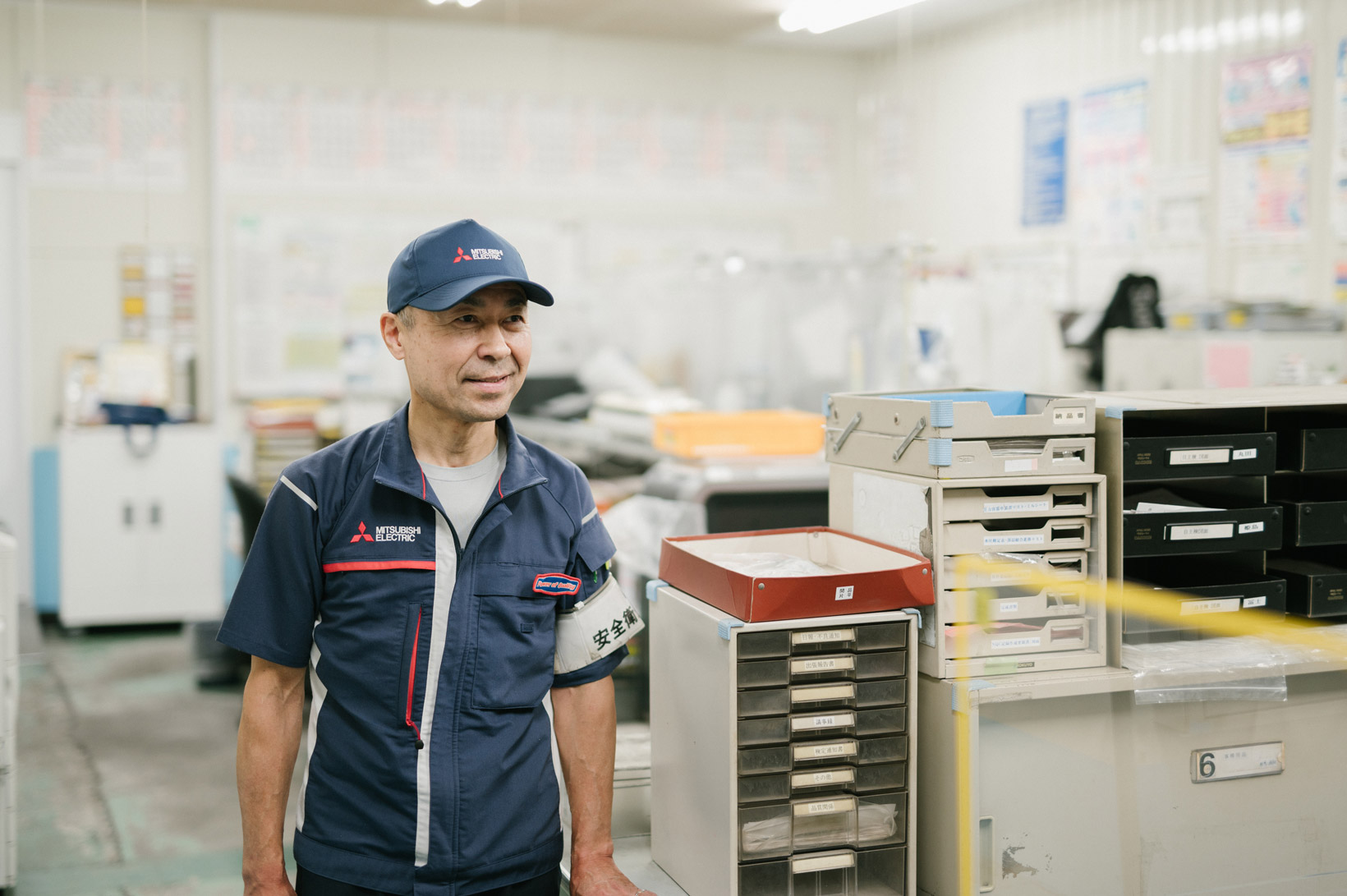
To listen to himself, or the company. What helped him decide to choose the company was the words of his previous boss whom he respects.
‘ “This company didn’t grow you to this day only to have you weld. They believe you are qualified to do this job,” my boss said. That was a word from a man I respect, so I moved to quality control. It was different from using my hands to make products, but I found it meaningful to work on the process of improving the products on the line. I was honestly glad that they counted on me to judge how we could make the products better to meet the regulations. I was in quality control to see the whole field, and I was therefore able to help raise the quality of our products.’
Another field for the world and society.
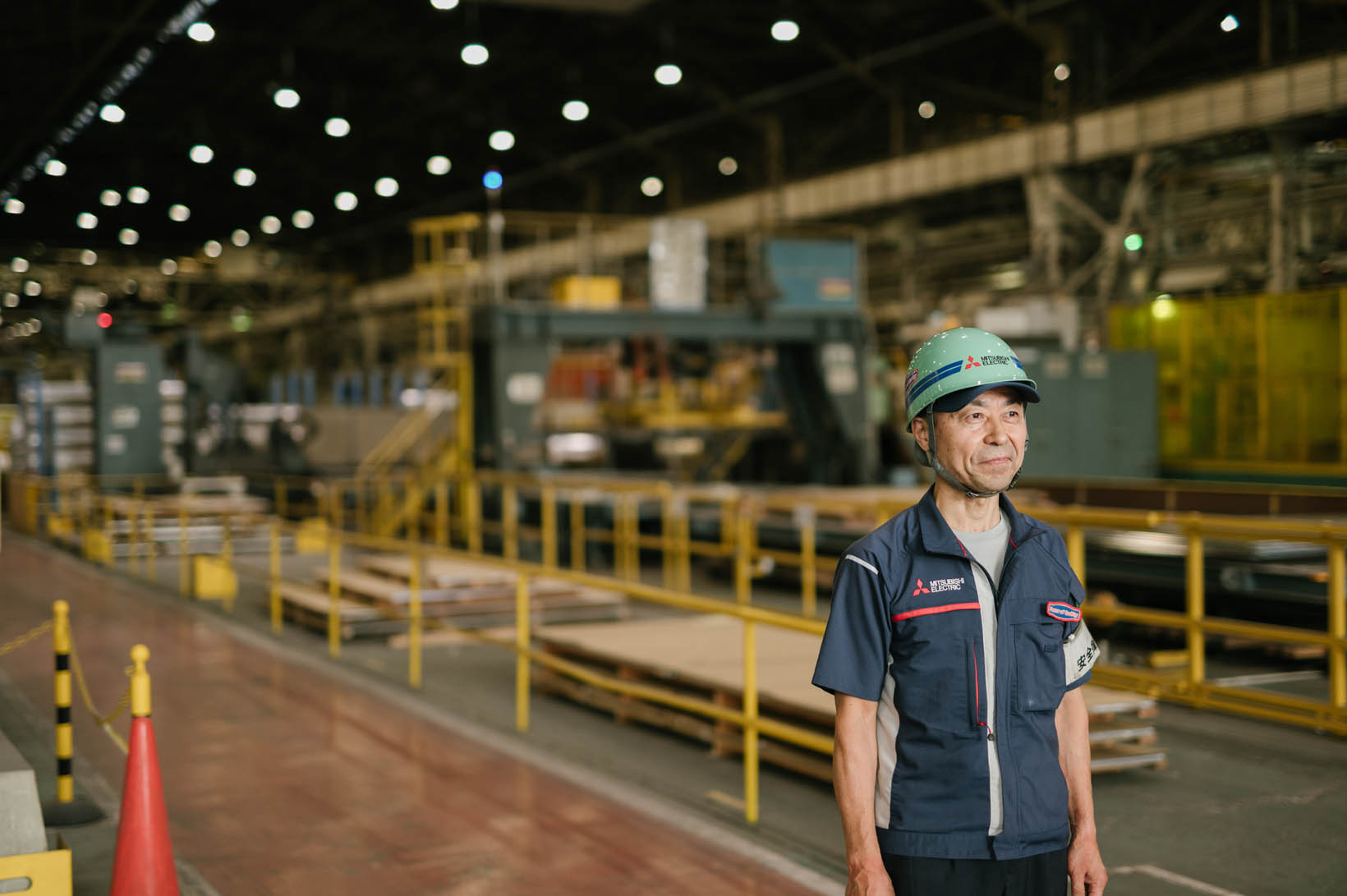
The love to weld. There’s no doubt that this pure emotion drove Mr. Yamada to be an expert in this field. And it needed to be at Mitsubishi Electric for him to feel the motivation to work hard.
‘I have welded so many things for infrastructures, such as switchgears to sustain a stable provision of electricity. One of the good things of working at this company is that I can be proud of making important things that matter in people’s lives.’
Another time he felt proud was when he visited a site to find out how his works were going.
‘Mitsubishi Electric’ switchgears are used not only in Japan, but in the whole world as well, so I sometimes went out to remote places or foreign countries and welded. It’s hard to imagine where products are brought to and how they function if I just stay inside a factory. But when I actually go out and see how they work and help people, I can see that I am contributing to this world.’
The Heart Medal with Yellow Ribbon fulfilled, and a new idea
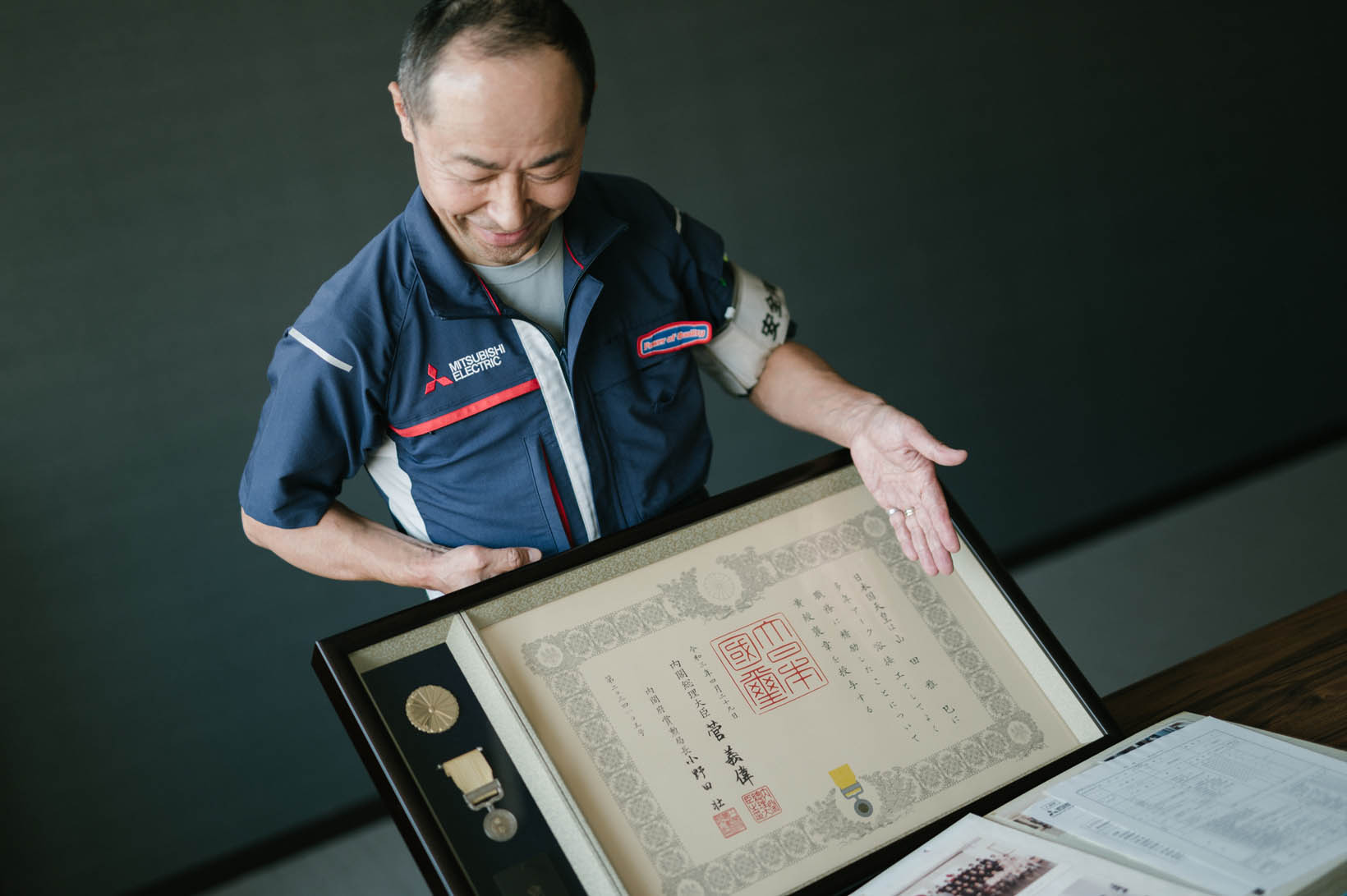 The certificate and medal
What indicated Mr. Yamada as a top expert was the award of the medal. The Medal with Yellow Ribbon is granted to ‘those who are role models in achievements and techniques in the field of agriculture, commerce, or industry’ (according to the website of the Japanese cabinet). It can be said that the country vouches for his technique.
‘The Medal with Yellow Ribbon was my final goal. Before this, I was awarded for, ‘modern master craftsman,’ but I’d been feeling the responsibility that I had to get the bigger medal no matter what. I was so happy to finally be awarded, and by being acknowledged by this country, I understood that my life as a company member was not wrong.’
The responsibility he was feeling was not only for him, but also for the younger engineers under him.
‘Just as I had seen senior engineers and thought that I wanted to be like them, by my getting the medal younger engineers would think, “As Mr. Yamada made it, I’ve gotta’ try hard - I want to be like him.” I could be their role model. And if that works, well, I did my job right.’
My purpose is to pass on my expertise.
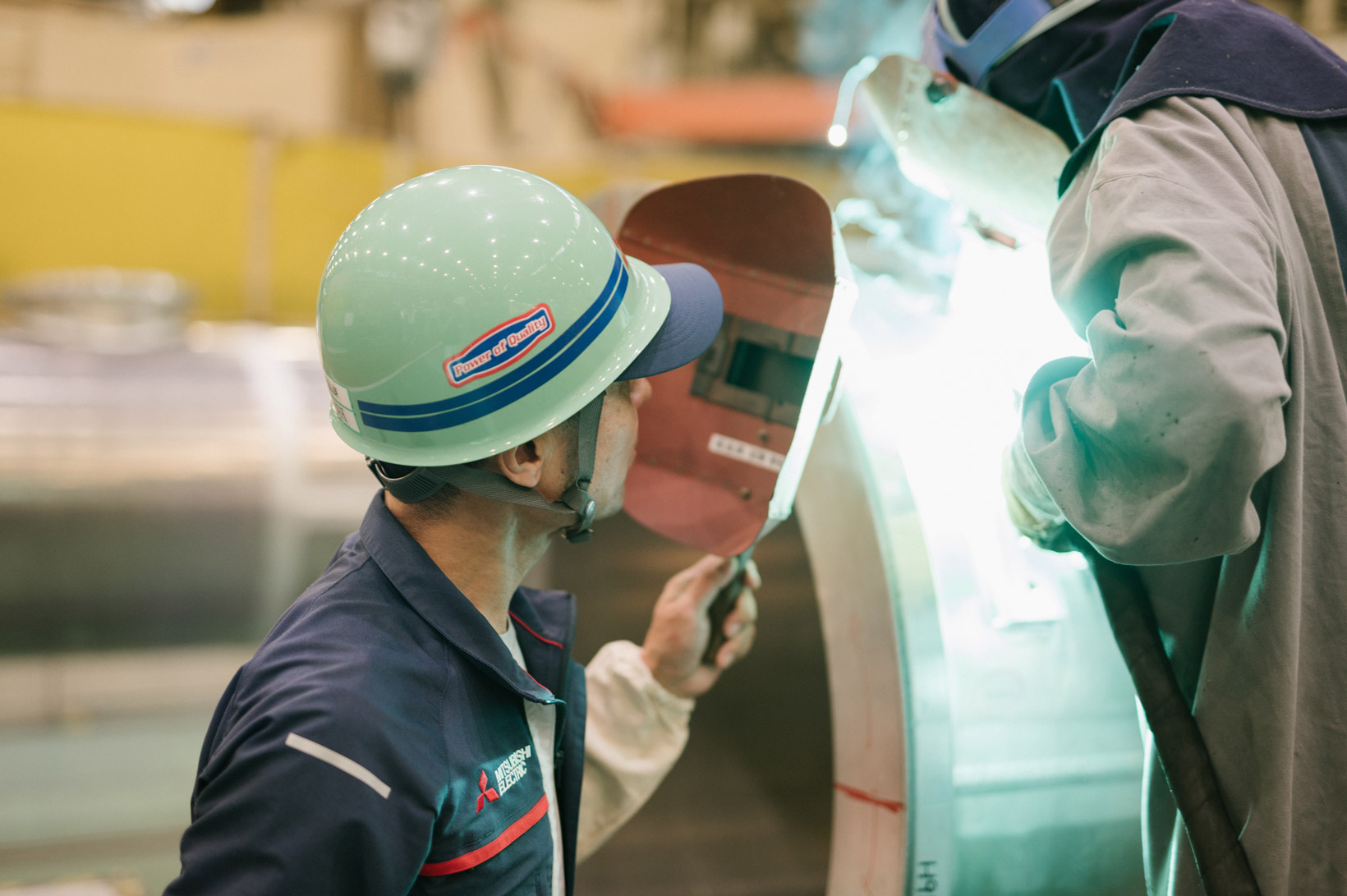
Having been awarded the Medal with Yellow Ribbon, he has reached the impeccable summit of experts. What motivation now drives him further?
‘To pass on my expertise to next generations. This is My Purpose. All the skills they taught me at Mitsubishi Electric… I want to hand them down to younger engineers. Otherwise I can’t retire. I don’t want the skills to disappear when I leave - I want to pass them on to people. Of course, the skills, and the spirit. This is where we make things; I want engineers to make flawless products with pride, so that no one can point out any failures.’
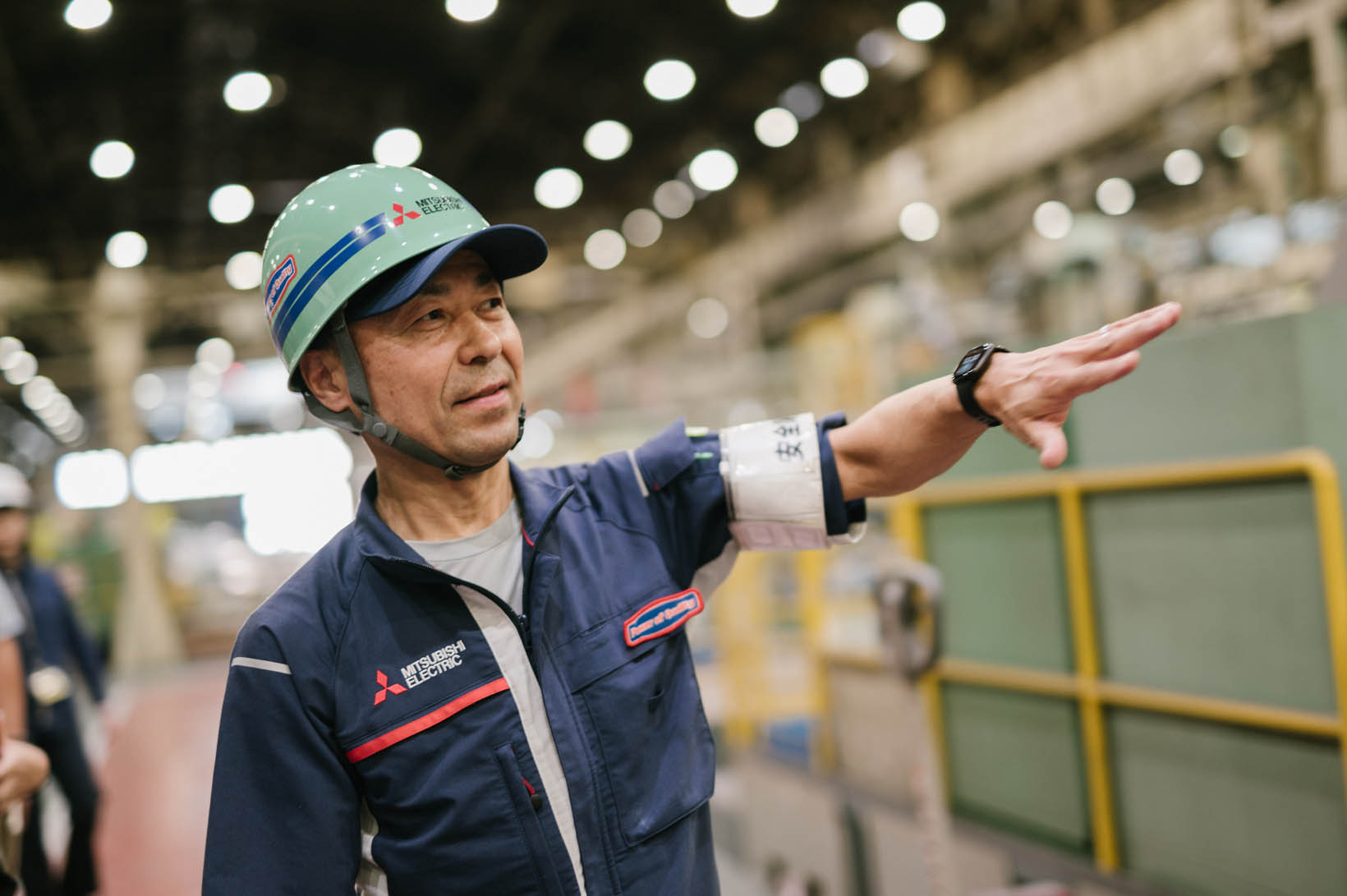
In the end, we asked Mr. Yamada - who has served Mitsubishi Electric on the front lines for many years - how Mitsubishi Electric should be in the future.
‘How Mitsubishi Electric should be... I don’t know. I am a craftsman. The most important thing is to provide products to the client with pride. Craftsmen just need to make each product with wholehearted pride, and always on time, because that’s what we do.’
INTERVIEWEE
Mitsubishi Electric Transmission and Distribution Systems Center
Masami Yamada
Entered Mitsubishi Electric in 1979 after graduating middle school. Having been awarded many times, he left the site at the age of 40 for quality control. His excellent welding skills, installation of welding robots, and passing on his expertise to the next generation - these were evaluated and he was granted the Medal with Yellow Ribbon, and many technique awards.